The mining and resource sector has a communication problem. It's one of the most technically sophisticated industries on the planet, but the way most companies present themselves visually doesn't reflect that. Blurry iPhone photos in investor decks. Stock images on corporate websites. Safety documentation shot on a point-and-shoot from 2015.
In an era where investor confidence, public trust, and regulatory scrutiny all hinge on perception, the visual story a resource company tells matters more than ever. And most companies are leaving it to chance.
Here's what I've learned from shooting mining and exploration projects across British Columbia—and why professional industrial photography isn't a luxury for resource companies. It's a strategic asset.
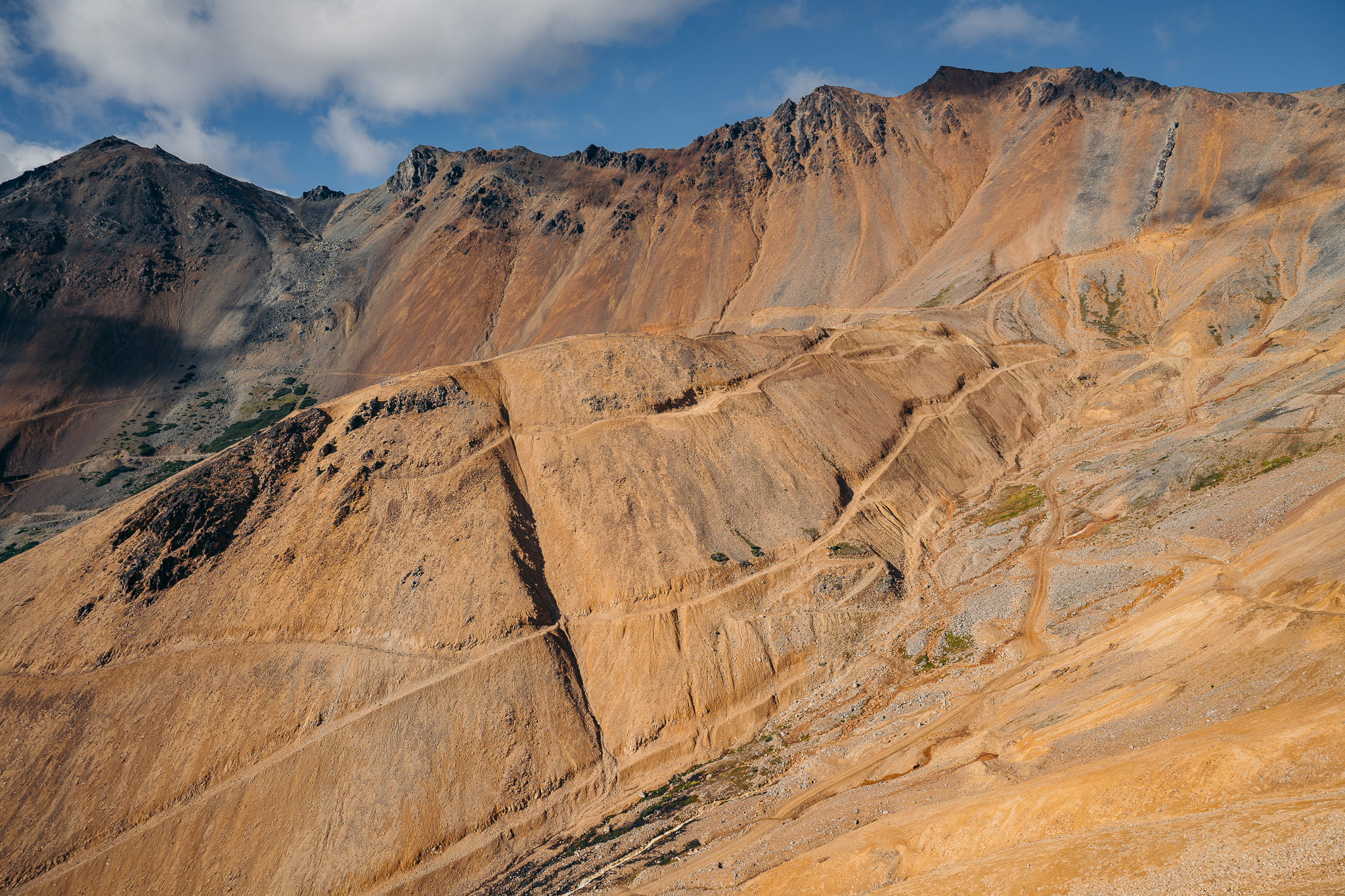
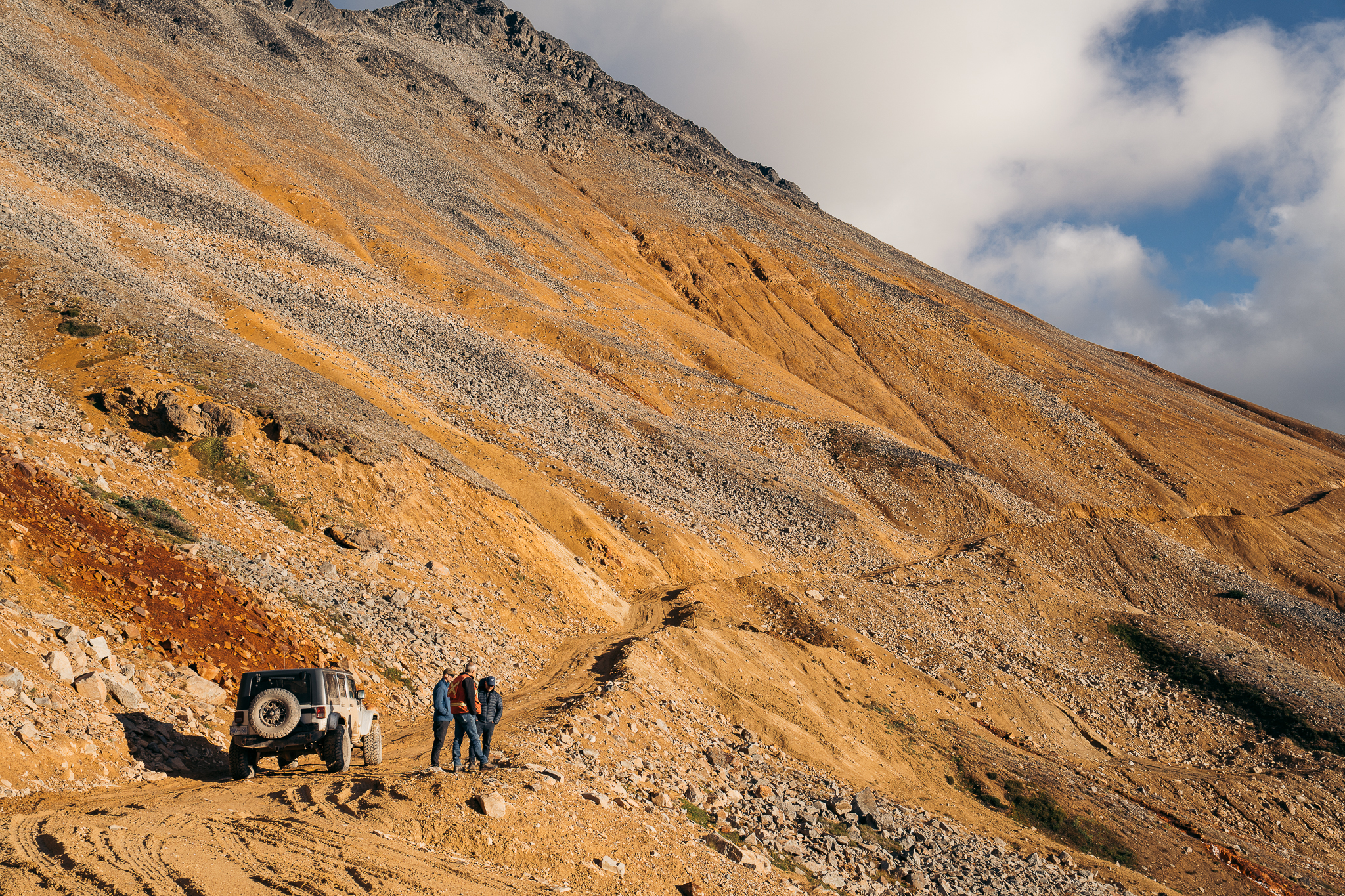
Aerial documentation of a copper exploration project in northern BC — the kind of perspective that ground-based cameras can't deliver.
The Problem With "Good Enough"
Most resource companies don't undervalue photography on purpose. It's just not where their attention goes. The geologists, engineers, and project managers running these operations are focused on what's underground—not on how the surface looks in a pitch deck.
But here's the thing: investors aren't geologists. The people deciding whether to fund your next phase of exploration are often making that decision based on a 20-slide deck and a website. If the imagery looks amateur, it signals that the operation might be, too. Fair or not, that's how it works.
Professional mining photography bridges that gap. It translates the scale, precision, and professionalism of the operation into a visual language that non-technical stakeholders can immediately understand.
Aerial Photography Changes Everything
One of the biggest challenges in mining and resource photography is conveying scale. A core sample rack doesn't tell you much about the 200-hectare site it came from. A photo of a drill rig doesn't communicate the infrastructure network surrounding it.
That's where aerial and drone photography becomes essential. Using the DJI Mini 3 Pro, I capture full site layouts, infrastructure progress, access roads, and the relationship between the operation and the surrounding landscape—all in a single frame. For exploration-stage companies in particular, these images are critical for communicating progress to investors who may never visit the site in person.
This isn't just "drone photography." It's strategic site documentation—imagery designed specifically for investor decks, annual reports, and regulatory submissions.
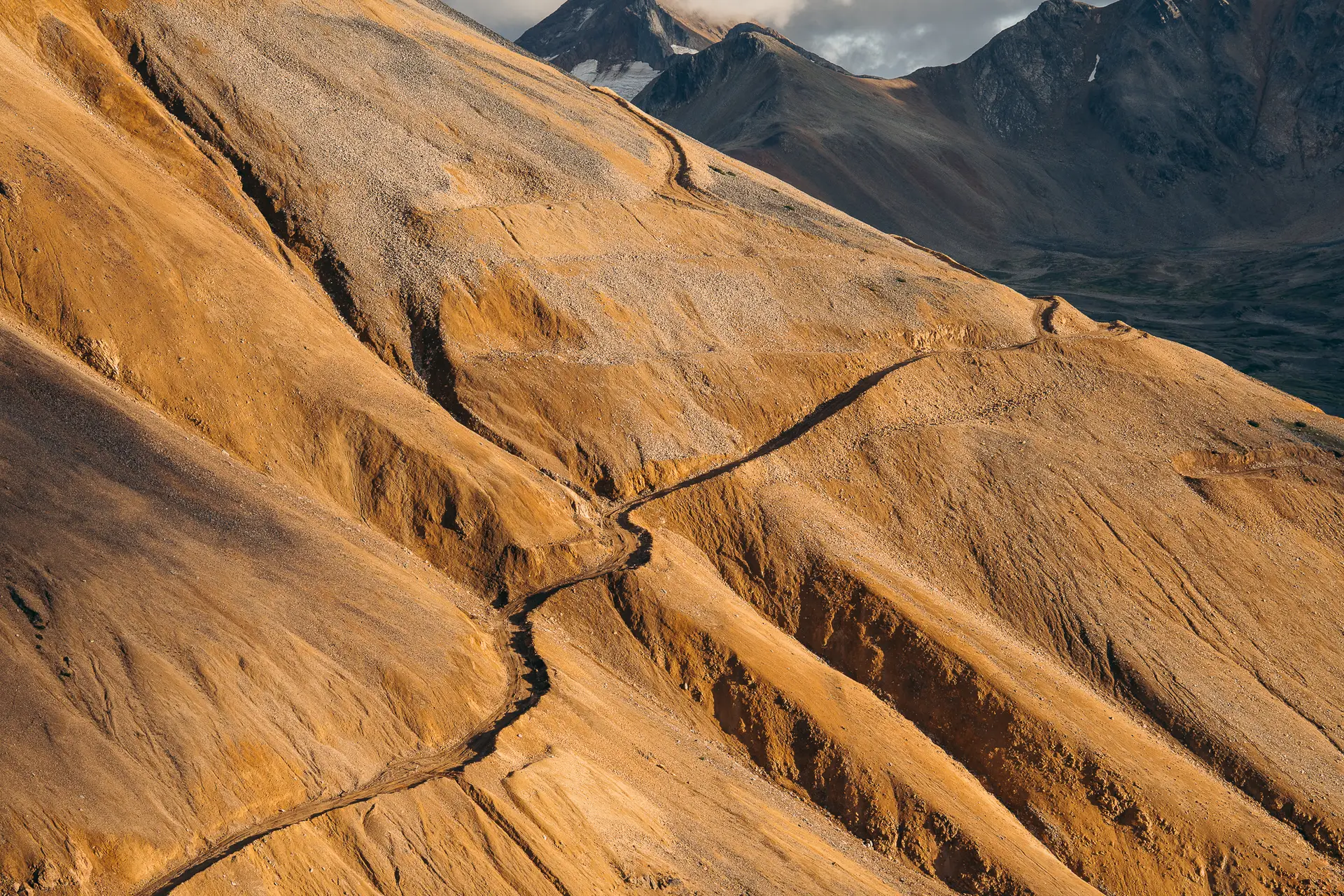
Aerial site mapping for investor materials — one frame that communicates months of progress.
High-Resolution Detail for Investor Decks
Investor materials live or die on credibility. A grainy photo of a core sample doesn't inspire confidence. A tack-sharp, professionally lit close-up of that same sample—with the texture and mineral composition clearly visible—tells a completely different story.
I shoot on high-resolution Sony systems that capture everything from the intricate detail of a drill core to the full scale of heavy equipment in the field. These images hold up in print at any size, whether they're filling a full page in an annual report or anchoring a slide in a pitch to institutional investors.
When you're presenting to shareholders or potential developers, the quality of your media reflects the quality of your management. That's not a metaphor—it's how people actually make decisions.
People Are the Story Behind the Operation
Beyond the equipment and the geology, the most compelling part of any resource project is the team running it. Safety culture, technical expertise, environmental stewardship—these are the things that build social licence and differentiate responsible operators from everyone else.
My approach to industrial photography puts the crew front and centre. High-quality portraits of workers in the field. Candid documentation of safety protocols in action. The careful, methodical execution of technical tasks that the public rarely sees.
The people behind the project — professional field portraits that humanize the operation.
These images do more than look good in a report. They humanize the operation for communities, regulators, and investors who need to see that real people are doing serious, careful work.
Built for Harsh Environments
Shooting in the resource sector isn't like shooting a hotel lobby. You're dealing with dust, rain, extreme temperatures, low-light conditions underground, and the blinding contrast of open-pit sites at midday. The gear has to be able to handle it.
My kit is purpose-built for industrial environments. Whether I'm using a 100-400mm GM telephoto to safely capture heavy equipment from a distance, or ND filters to manage harsh high-altitude sunlight, every piece of gear is chosen to deliver polished, professional results regardless of conditions.
The output needs to be ready for global distribution—annual reports, investor portals, press releases, social media—without any caveats about "field conditions."
A Visual Asset Library, Not Just a Photo Shoot
The goal isn't to take photos. It's to build a visual asset library that serves the company across every communication channel for years.
Every shoot I do for resource clients is designed around strategic asset creation. That means high-resolution stills for print and web, vertical content formatted for LinkedIn and social media, and cinematic b-roll for video press releases and investor presentations.
The difference between a company that simply reports on its progress and one that actively engages its audience often comes down to how it tells the story visually. Professional imagery is how resource companies move from being misunderstood to being investable.
Final Thoughts
The mining and resource sector doesn't need more stock photography. It needs imagery that's as sophisticated as the work being done in the field—photography that builds trust, communicates progress, and positions a company as a serious, well-managed operation.
If you're preparing for a financing round, refreshing your corporate materials, or documenting a project milestone, let's talk. I'd love to see what we can build together.
You can also explore my Mining & Resources portfolio to see recent work in the field.