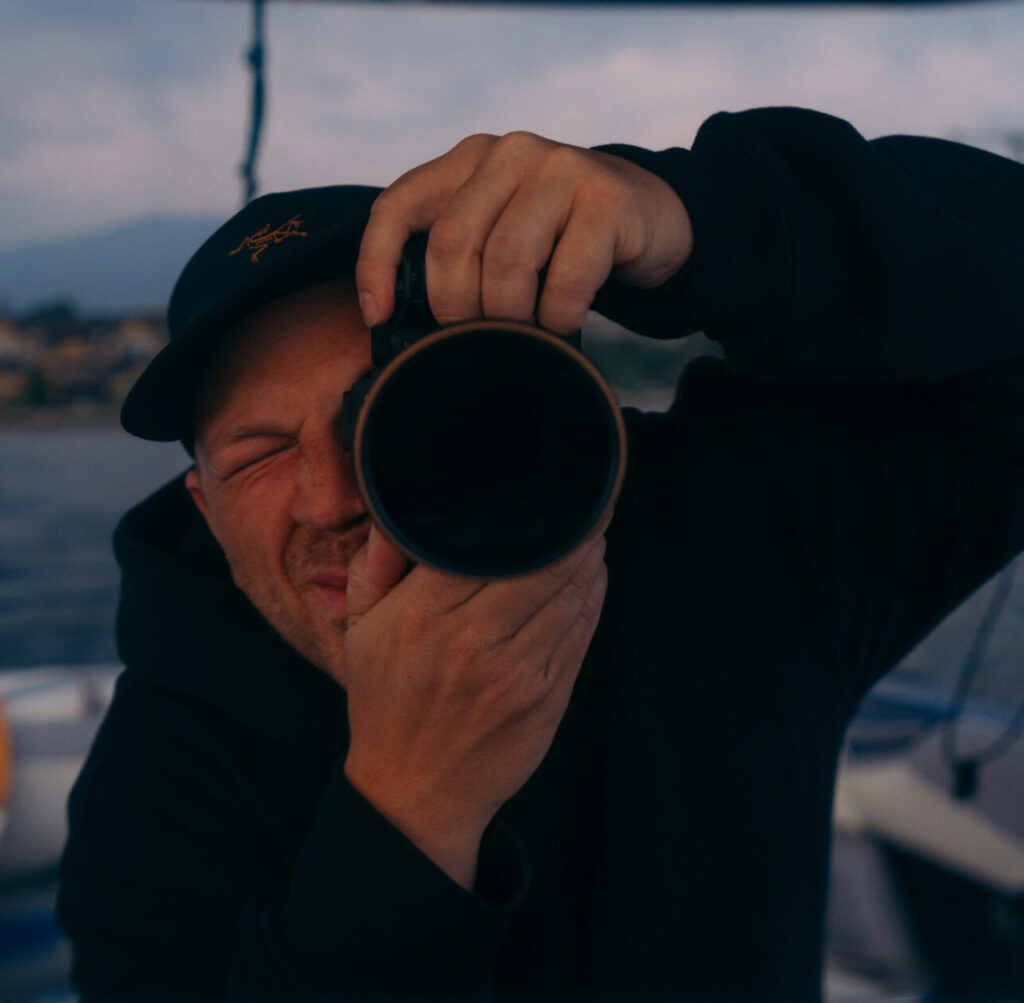
There are a lot of good photographers out there. Finding one who takes beautiful photos isn't the hard part anymore. The hard part is finding one who understands why you need the photos in the first place.
If you're a business owner or marketing director investing in brand photography, the images need to do more than look nice. They need to lower your website's bounce rate. They need to stop the scroll on social. They need to justify a premium price point against competitors whose product shots were taken on a kitchen table.
Pretty pictures are everywhere. What most brands actually need is a visual strategy tied to business outcomes—and a photographer who knows how to build one.

Brand photography that's built around a strategy — not just a mood board.
Strategy First, Shutter Second
The first red flag with any photographer is when the conversation starts with gear specs or editing styles instead of your business goals. Those things matter—but they matter second.
When I work with clients in Kelowna and across BC, the first conversation is always about where these images will live and what they need to accomplish. Are we building a hero banner for a website launch? Creating a three-month content library for Instagram and Pinterest? Producing imagery for a pitch deck or investor materials?
The destination determines everything. If your web designer needs a hero image with space for a headline, I'm framing that shot with intentional negative space for text overlays. If you're building a social content library, I'm shooting in both landscape and vertical formats so nothing needs to be awkwardly cropped later.
A photographer who doesn't ask these questions before the shoot is guessing. And guessing is expensive.
Why Visual Consistency Builds Trust
This is one of the most overlooked aspects of brand photography, and one of the most impactful. Visit any website where the photos feel disjointed—different lighting, different colour grades, different levels of quality—and you'll notice that something feels off, even if you can't name it.
That inconsistency erodes trust. It signals to your customers that the brand isn't fully put together—or worse, that it doesn't take itself seriously.
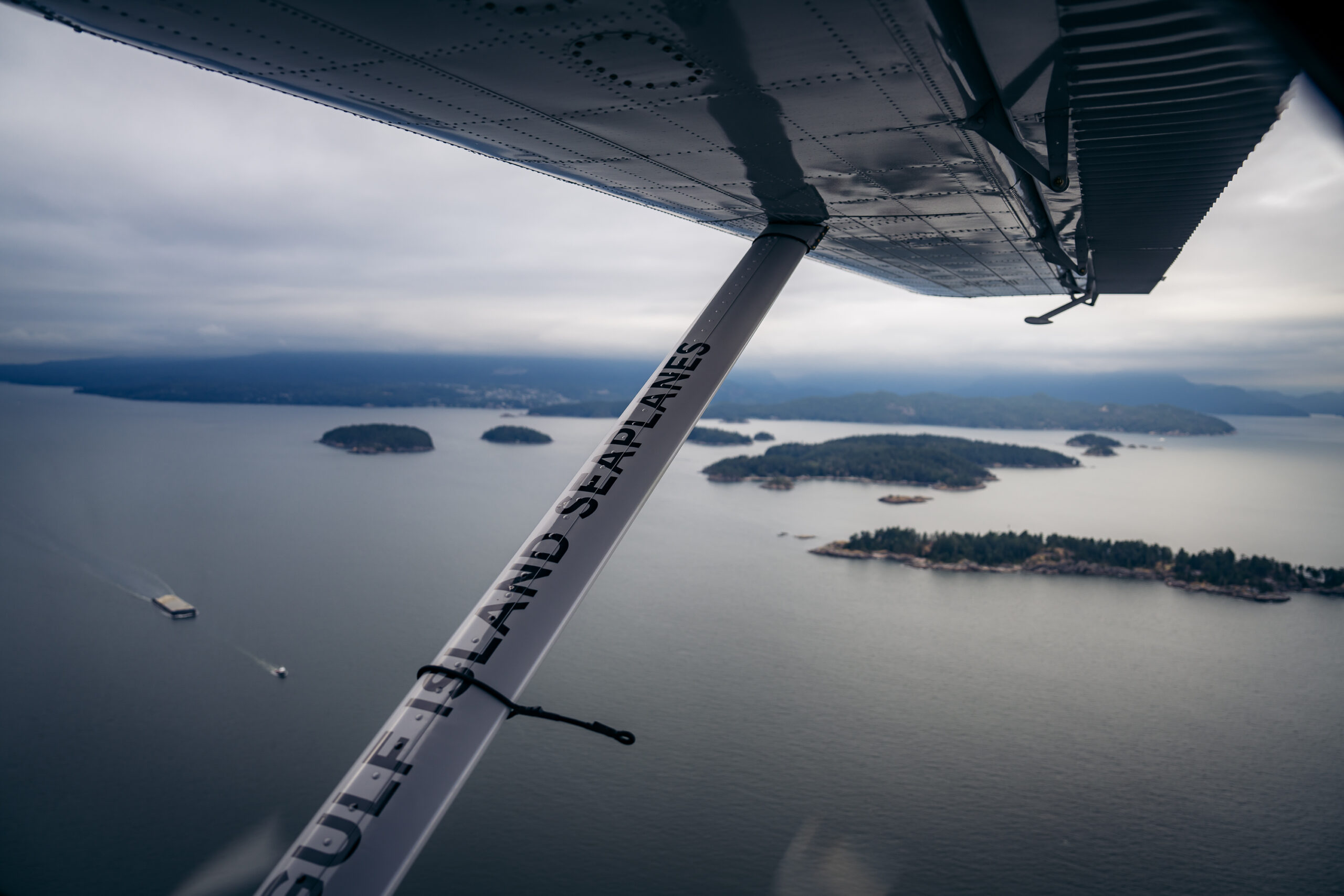

I shoot on a unified kit of Sony GM lenses—the 24mm f/1.4, 24-70mm f/2.8, and 85mm f/1.4—specifically because they render colour and depth of field in a consistent way across every focal length. Whether I'm shooting a team headshot or a wide lifestyle scene, the images feel like they belong together.
That cohesion is what makes a brand look established and professional. It's not about any single image—it's about the system.
Visual Assets, Not Just Photos
The biggest difference between a hobbyist and a commercial photographer isn't the camera. It's what you walk away with at the end of the day.
A snapshot captures a moment. A visual asset is a tool designed for a specific marketing function. That distinction matters more than most people realize.
During a brand shoot, I'm making decisions based on how each image will be used. A shallow depth-of-field close-up on the 85mm f/1.4 that draws the eye to a product's texture—that's built for an e-commerce detail page. A wide environmental shot on the 24mm that tells the story of your brand's world—that's built for a homepage hero or social campaign.
Every image is delivered in multiple crops and resolutions—web-optimized, social-ready, and print-quality—so your team isn't scrambling to resize files or compromise on quality when a new campaign needs assets.

Every shot is framed with its end use in mind — web hero, social vertical, or print campaign.
The Real Cost of Cheap Photography
I understand the hesitation. Professional brand photography is an investment, and it's tempting to go with the cheapest option, especially when every photographer's Instagram looks decent enough.
But here's what happens in practice: cheap photography costs more in the long run. Low-quality images fail to convert, which means more ad spend to compensate. Inconsistent visuals weaken your brand's perceived value, which makes it harder to command premium pricing. And when the images don't work, the re-shoot costs more than doing it right the first time.
The brands that invest in professional photography aren't just buying nice images. They're building a visual asset library that works across every marketing channel—website, social, email, print, pitch decks—for years. The cost per use goes down every month the images stay in rotation.
What to Look for in a Brand Photographer
If you're evaluating photographers for your next brand project, here's what I'd suggest paying attention to:
Do they ask about your business goals before talking about the shoot? If the first meeting is about lighting setups and not about your audience, that's a signal.
Is their portfolio consistent? Look at the body of work, not just the highlights. If every project looks like a different photographer shot it, you'll get the same inconsistency in your images.
Do they deliver assets, or just photos? You should receive images in multiple formats, properly named, and organized by use case—not a Dropbox link with 400 unedited files.
Can they articulate how their work drives results? A great brand photographer should be able to talk about conversion, engagement, and content strategy as fluently as they talk about aperture and composition.
Final Thoughts
The best brand photography doesn't just document what your company does. It positions you in the market. It gives your audience a reason to pay attention—and a reason to pay more.
If you're planning a rebrand, launching a new product, or just outgrowing the images on your website, let's talk. I'd love to hear about what you're building.
You can also explore my Brands & Business page to see how I work with clients across industries.