In 2026, a traveller decides whether they're booking your property before they ever step through the door. They're scrolling on their phone, usually late at night, comparing options side by side—and the images are doing most of the talking.
It's not a small thing. Listings with high-quality professional photography consistently see significantly more bookings and can justify higher nightly rates. The image is the first impression.
So what actually separates professional hospitality photography from the standard stuff? Here's what I've learned from shooting resorts and hotels in the Okanagan, Santorini, and beyond.
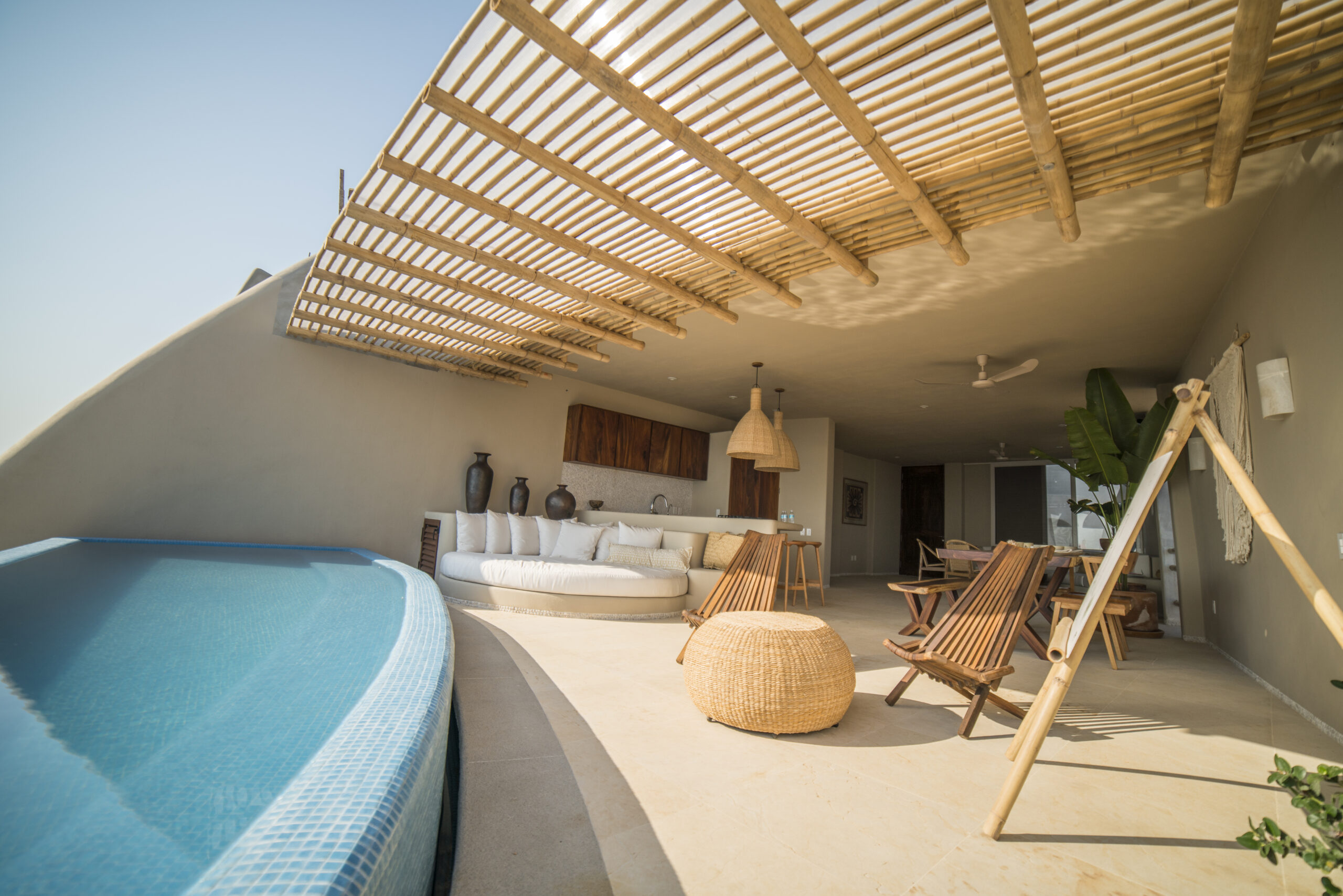
Balancing natural light with warm interiors — the key to hotel photography that converts.
The Wide-Angle Trap
The most common mistake I see in hotel photography is over-relying on extreme wide-angle lenses. Real estate photographers use them to make spaces appear larger—but in hospitality, it often backfires. Rooms look warped, ceilings look impossibly high, and the space feels fake to anyone who's ever actually stayed somewhere like it.
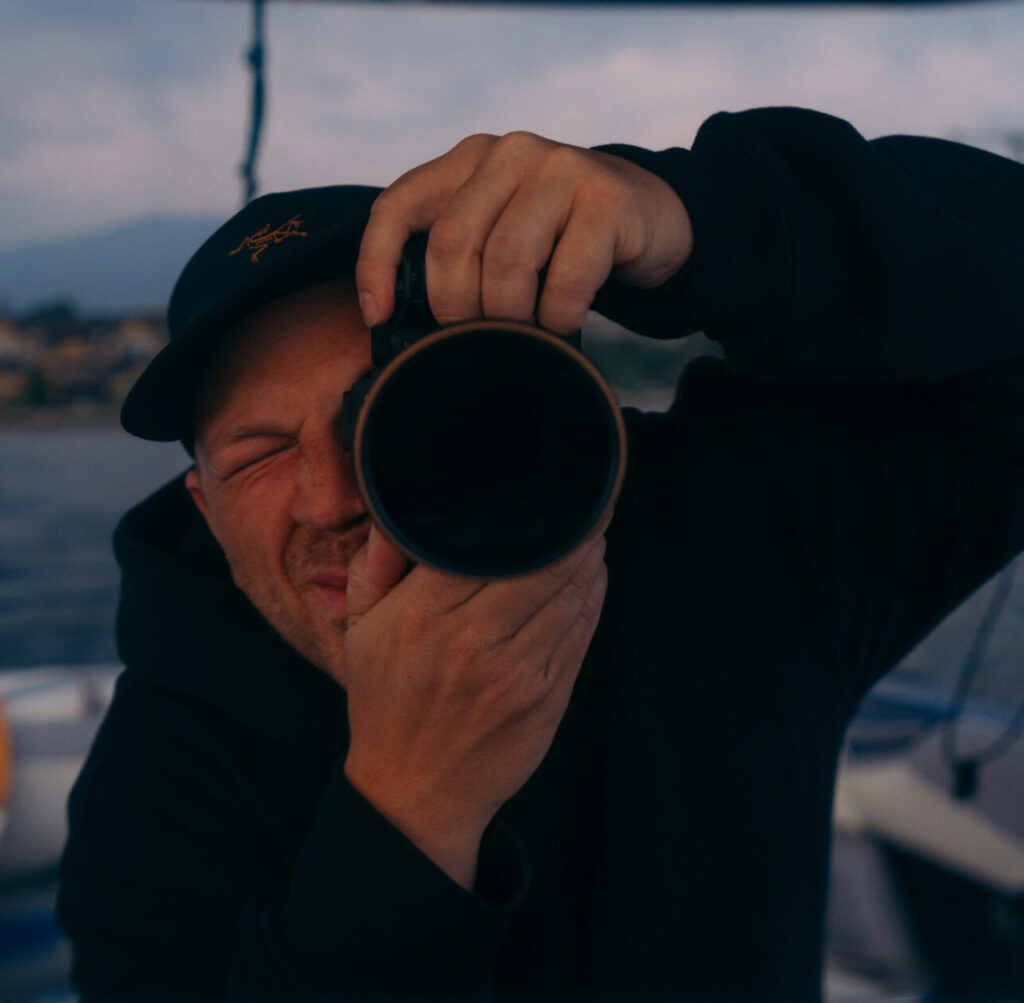
I shoot with a Sony 24-70mm f/2.8 GM and an 85mm f/1.4 GM for most interior work. These focal lengths capture how a room actually feels to stand in. Natural compression, honest perspective—the kind of images that build trust instead of disappointment at check-in.
Details Sell the Experience
Nobody books a hotel room. They book a feeling.
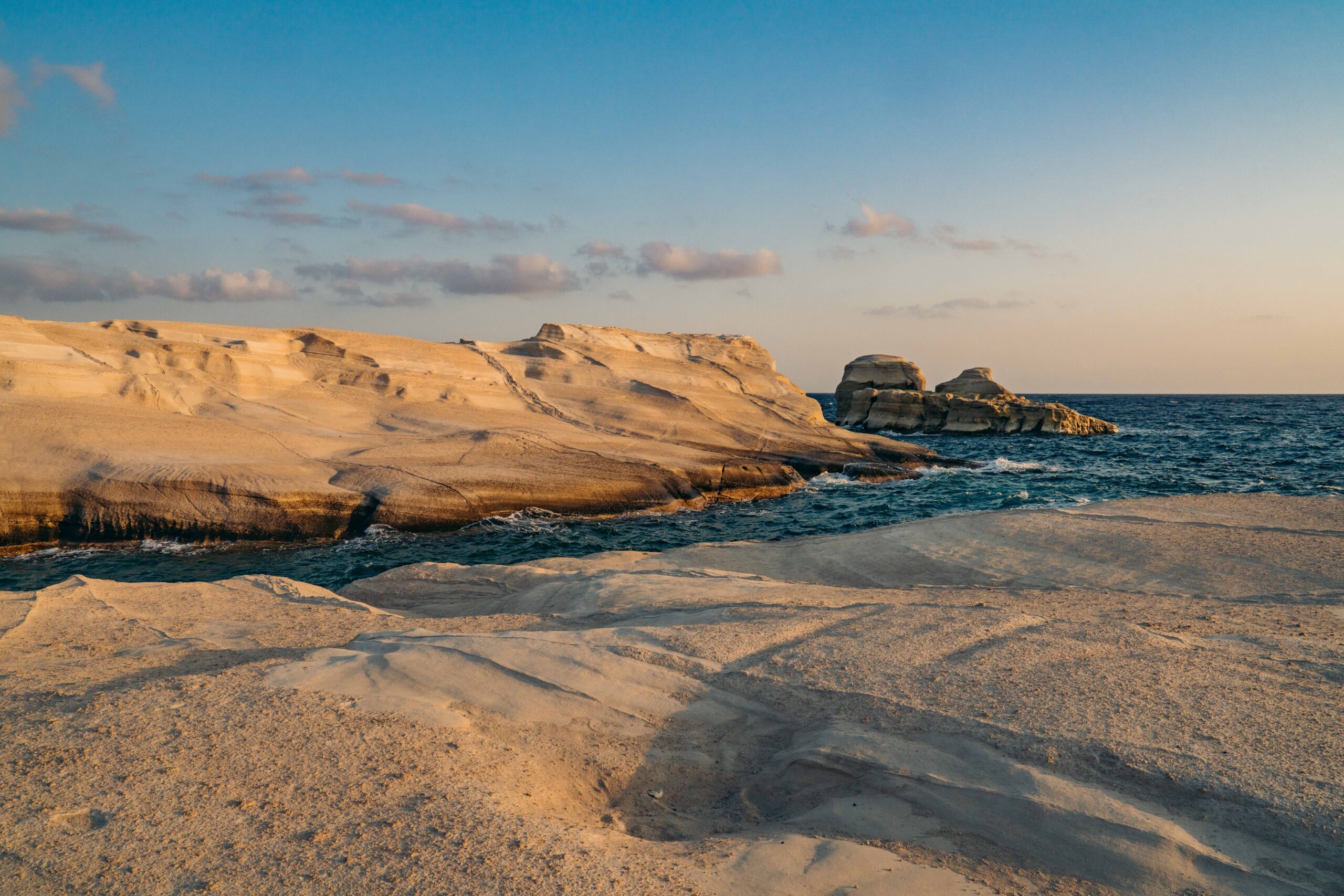
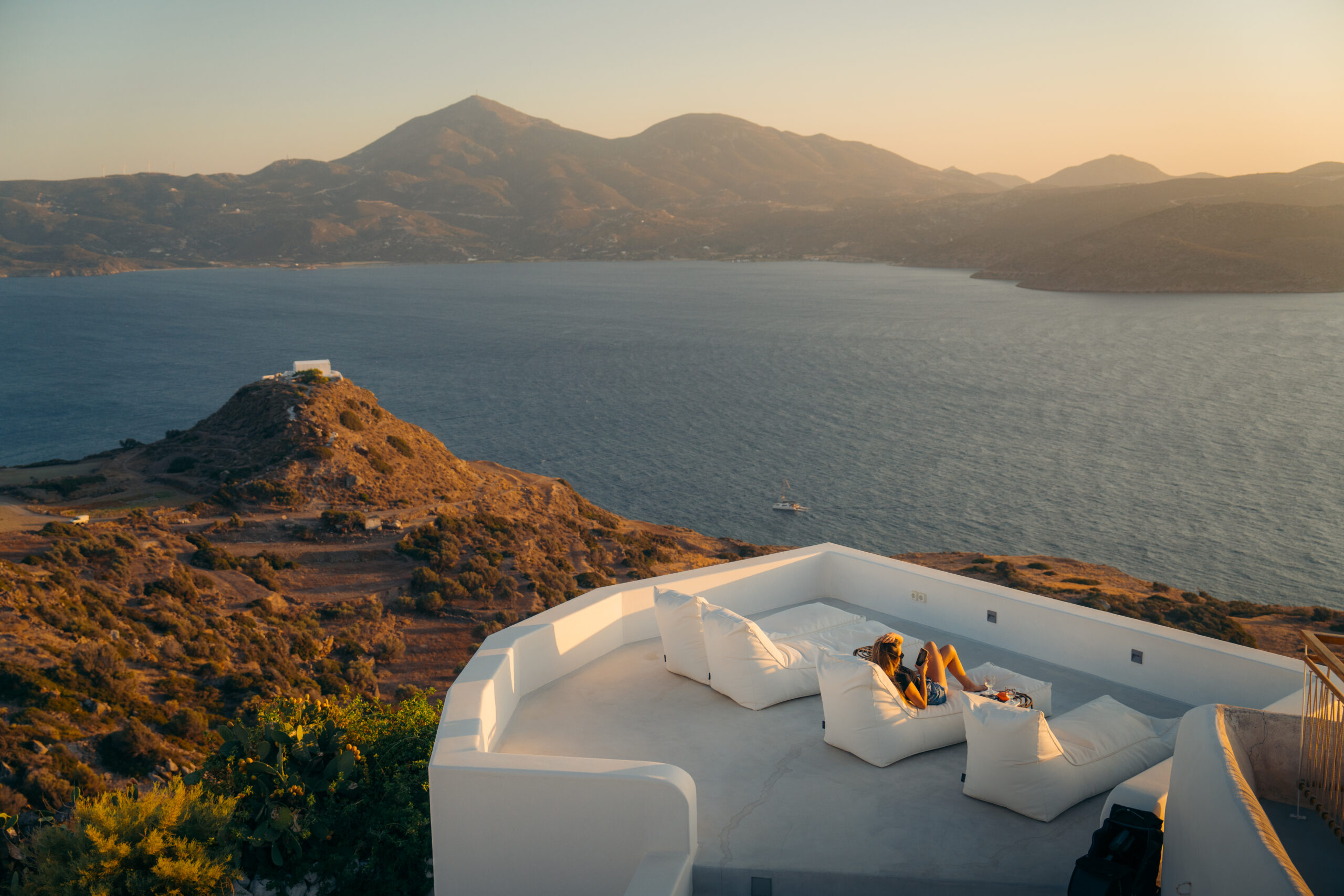
That's why I spend as much time on the details as I do on the wide establishing shots. The texture of high-thread-count linens. A morning coffee steaming on a balcony with Okanagan Lake in the background. Afternoon light cutting across the caldera in Santorini. These are the images that stop the scroll.
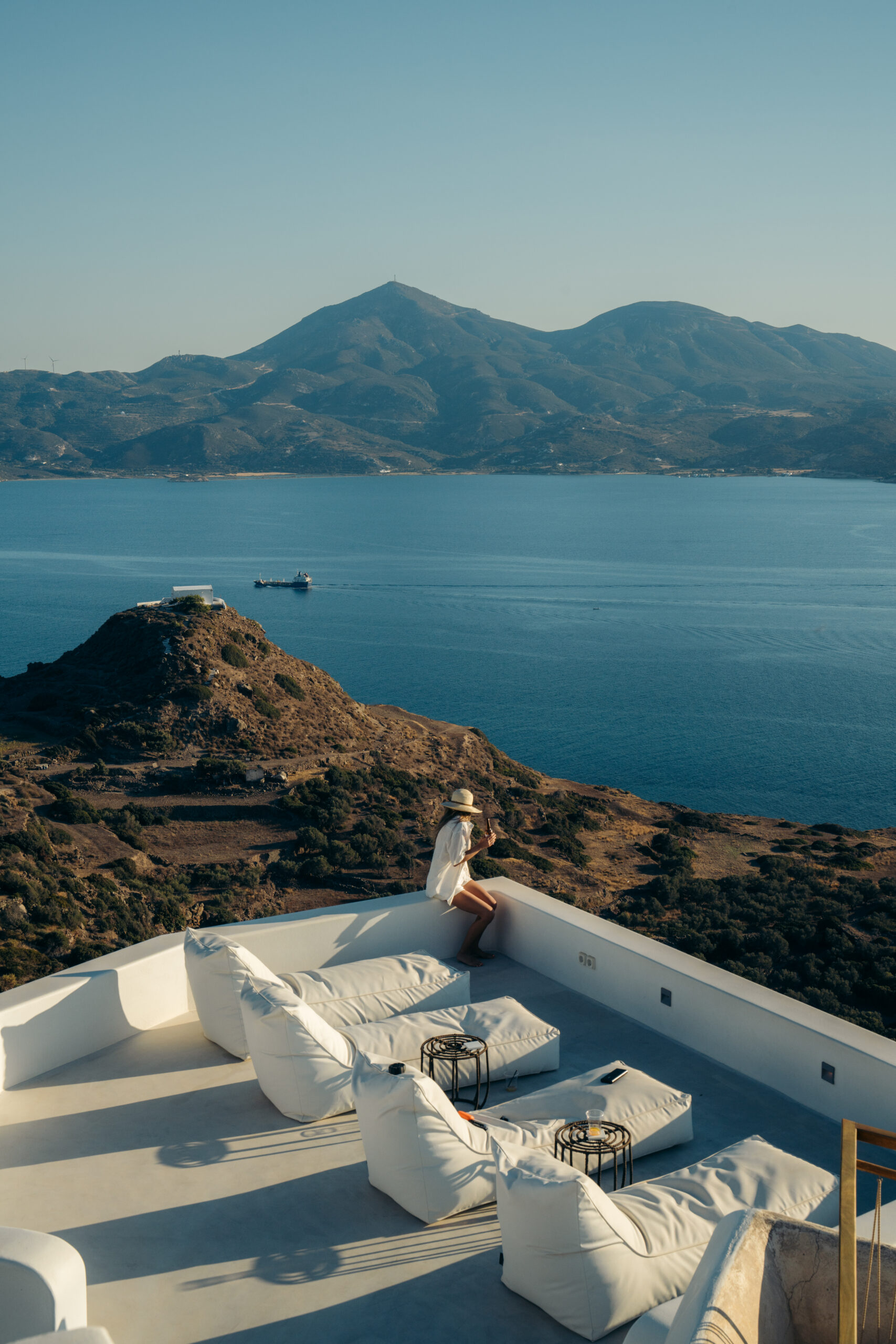
Detail shots create emotional connection — they sell the experience, not just the space.
Shooting on the Sony a7R IV's 61-megapixel sensor means those details hold up at any size—whether it's a website hero image or a full-page spread in a print brochure.
Getting the Light Right
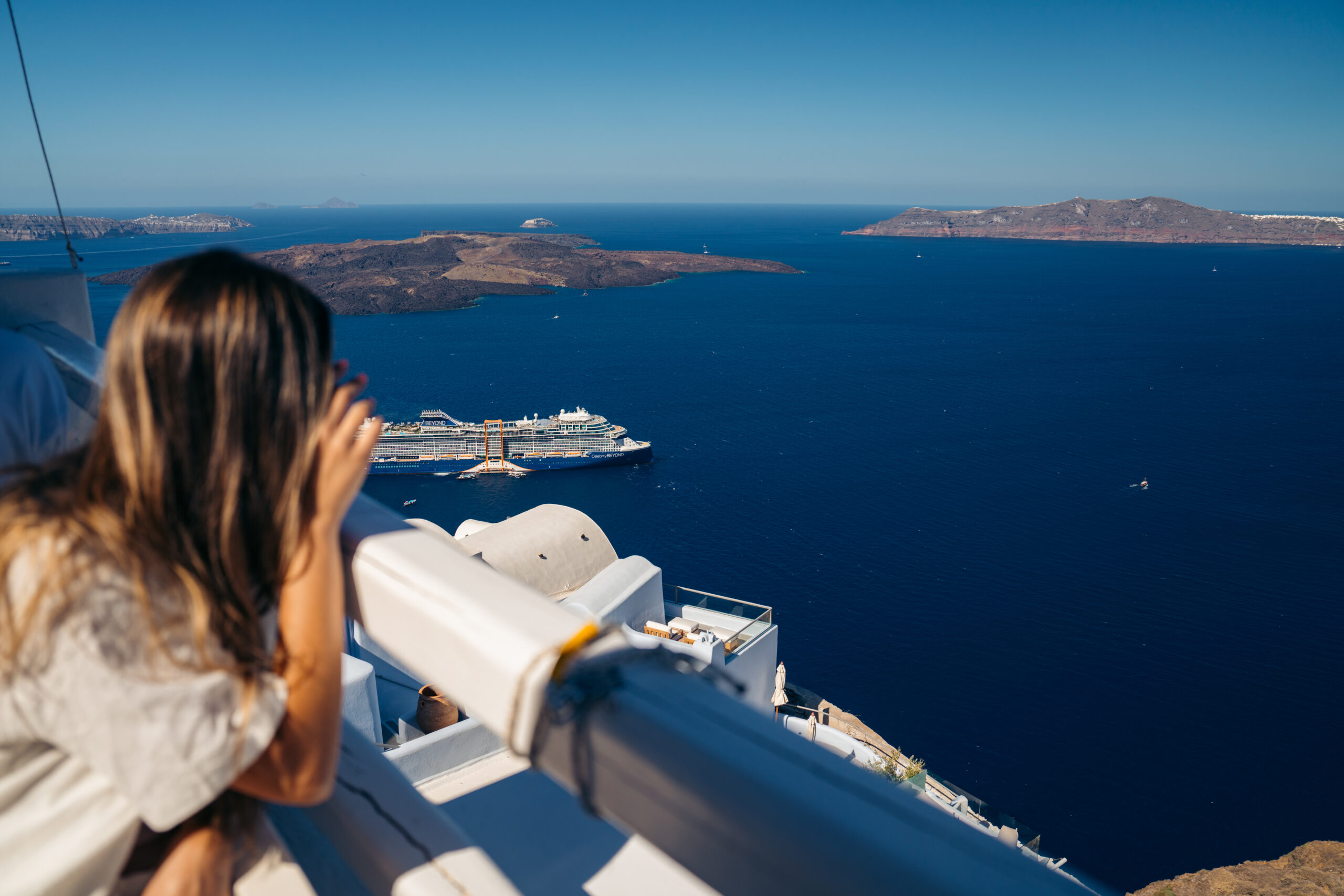
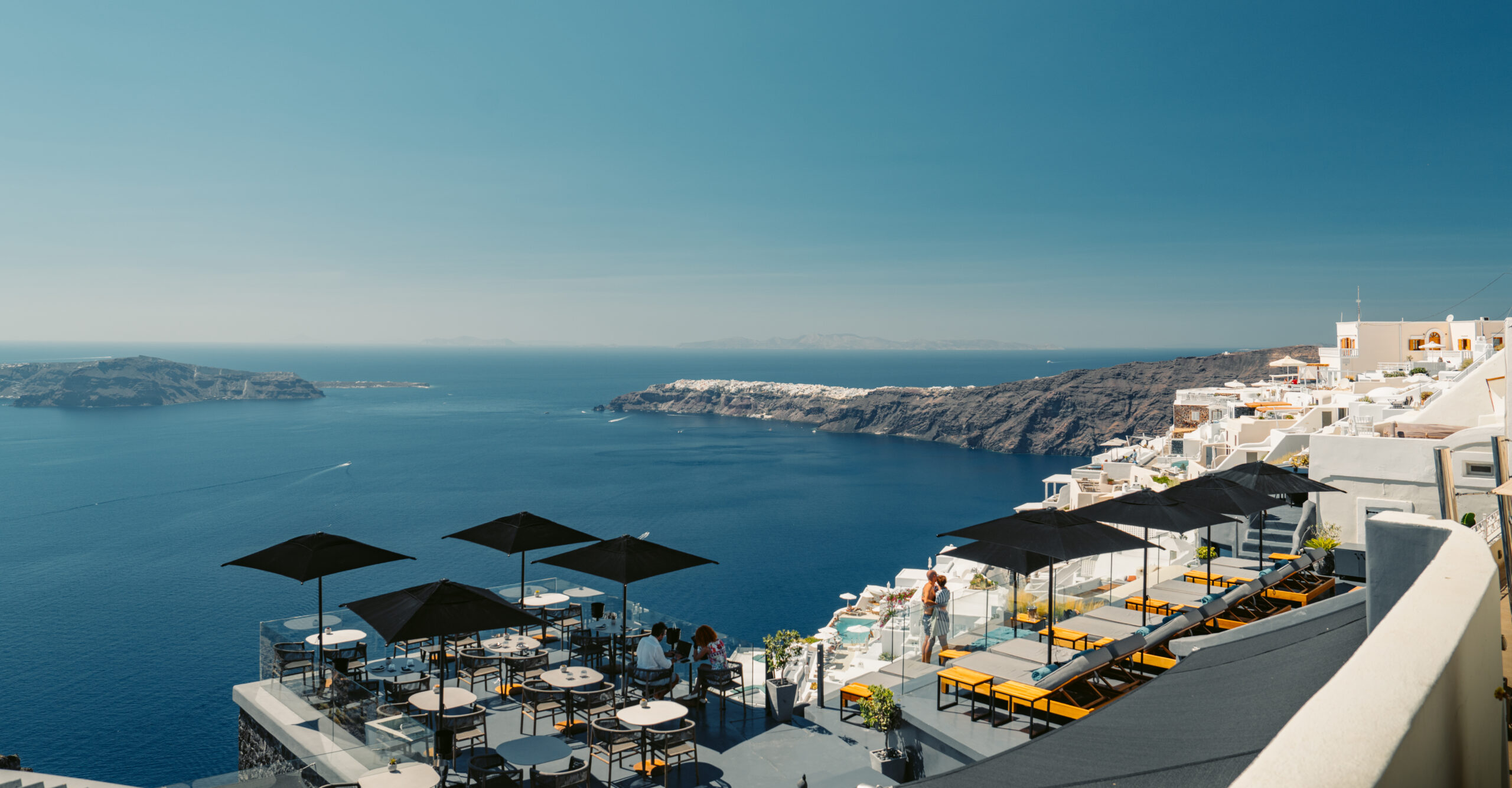
The biggest technical challenge in hospitality photography is dynamic range. You're almost always fighting a bright window or an outdoor view against a much darker interior. Get it wrong and you end up with either blown-out windows or a dark, muddy room—neither of which does your property any favours.
I use a combination of advanced bracketing and supplemental lighting to nail the balance. The view outside stays crisp and saturated. The interior stays warm and inviting. Both in the same frame, the way your guests will actually experience it.
It's a Long-Term Asset, Not a One-Time Cost
Good hospitality photography isn't something you redo every year. Done right, it builds a visual library that works across your website, booking platforms like Expedia and Airbnb, social media, and print materials—all telling the same cohesive story about your property.
That consistency is what positions a hotel as a premium option. It justifies the rate. It builds the brand.
The gap between a property that commands premium bookings and one that competes on price alone is often just the quality of its imagery.
Final Thoughts
If your visuals aren't doing your property justice, they're quietly working against you every day. Every scroll past your listing is a booking you didn't get.
If you're curious about what a shoot looks like—or just want to talk through what your property needs—get in touch. I'd love to see what we can create.