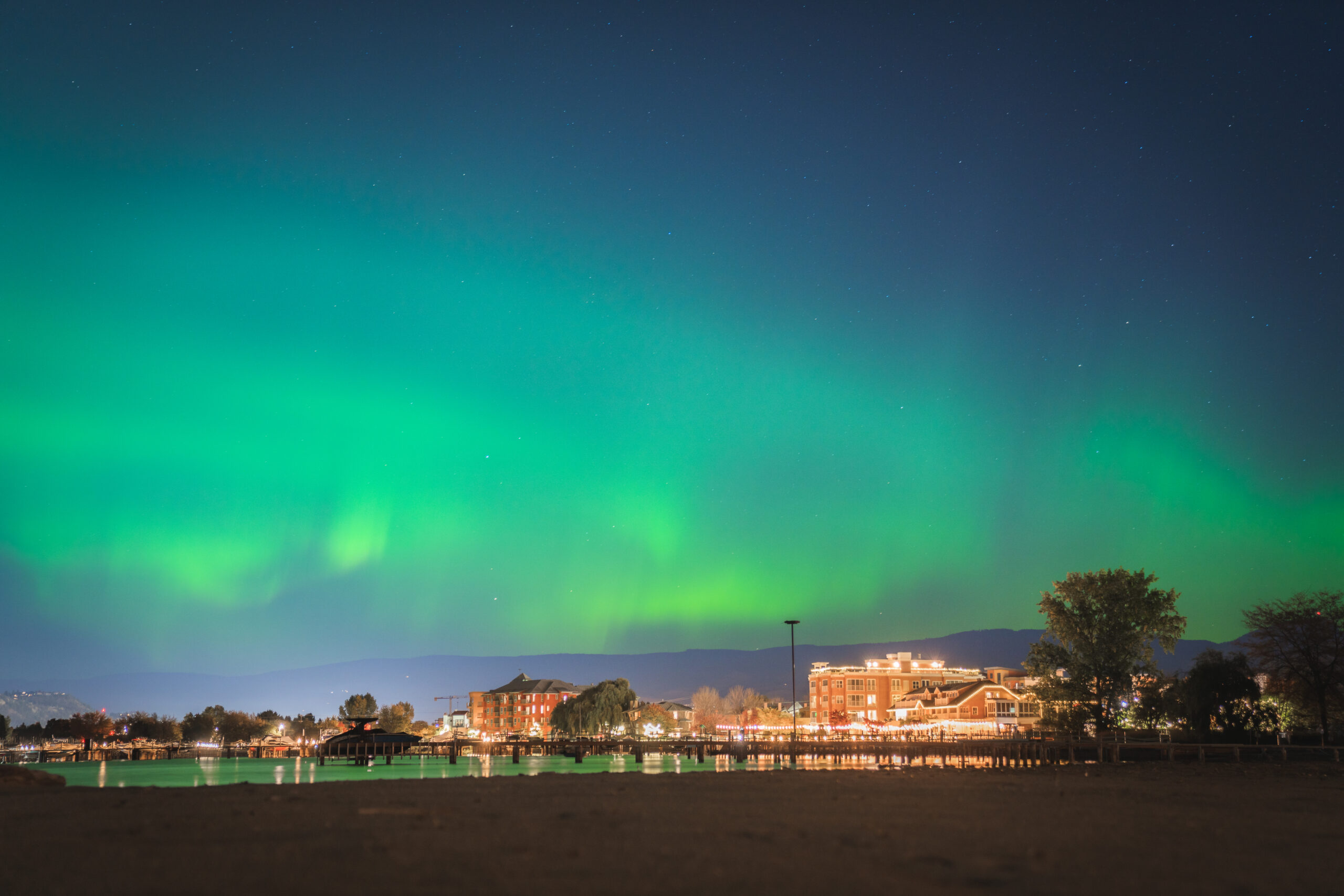
If you're just starting out in photography, you've probably heard of the "exposure triangle." It sounds technical, but understanding this concept is one of the most important steps to taking better photos. Let's break it down.
What is the Exposure Triangle?
The exposure triangle is how three key camera settings — Aperture, Shutter Speed, and ISO — work together to control exposure. Exposure simply means how bright or dark your photo is. Change one, and you'll need to adjust the others to keep things balanced.
Aperture
Controls depth of field
Think of this as the "pupil" of your camera. A wider aperture (lower f-number like f/1.8) lets in more light and blurs the background — great for portraits. A narrower aperture (higher f-number like f/11) keeps more of the scene in focus — ideal for landscapes.
Wide (f/1.8)
- More light, blurry background
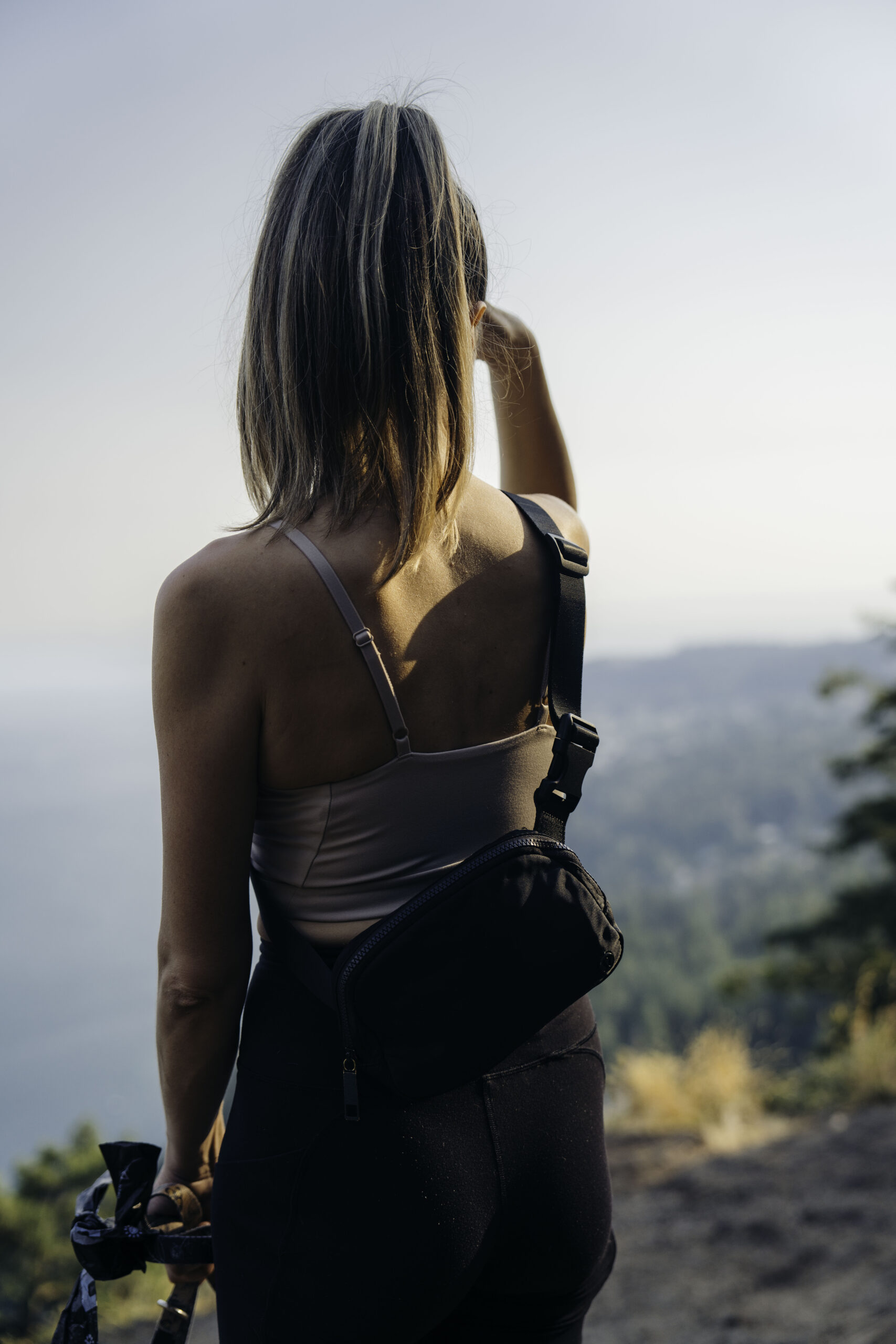
- Great for portraits, low light
Narrow (f/11+)
- Less light, sharper throughout
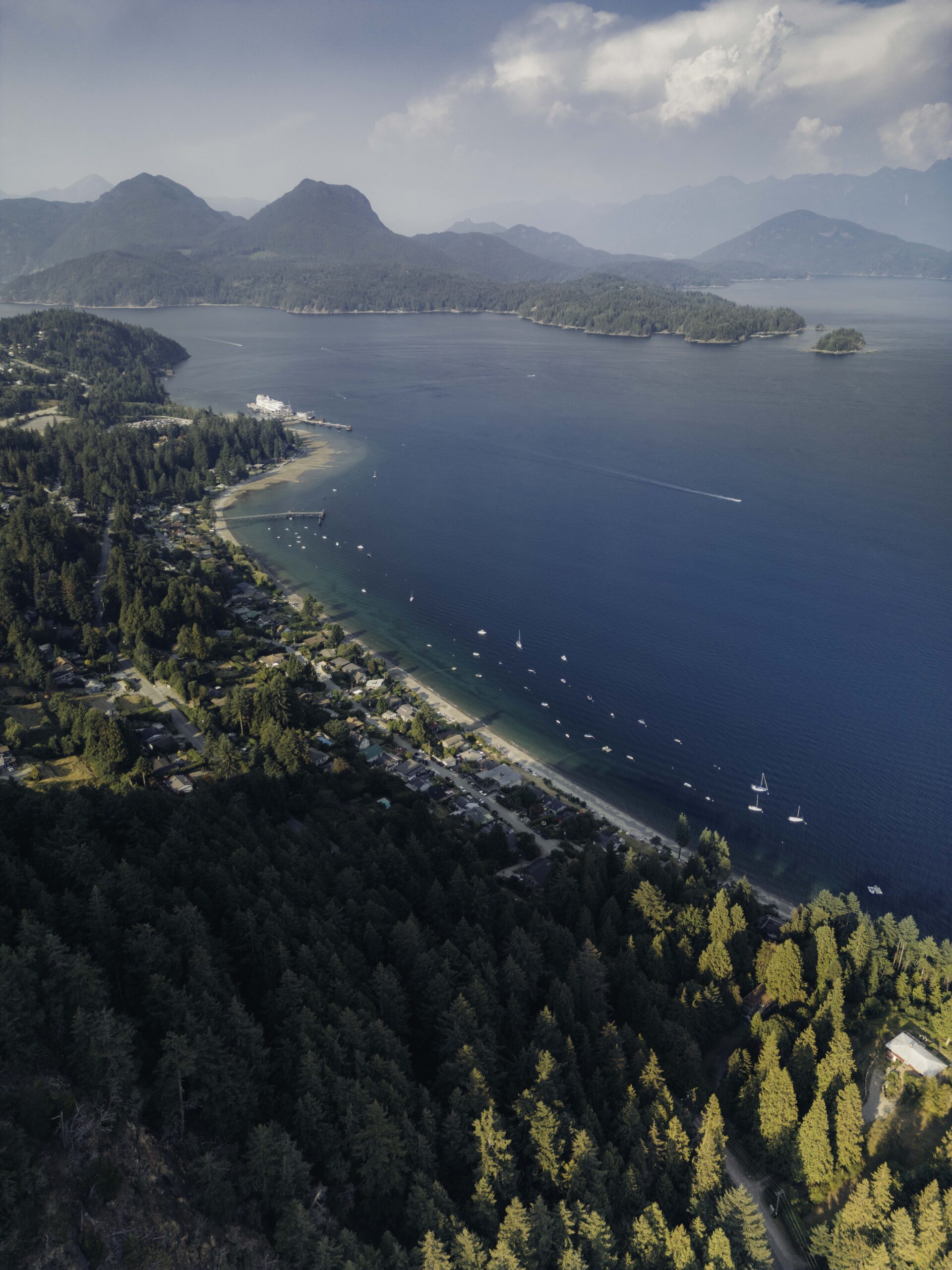
- Ideal for landscapes, architecture
Shutter Speed
Controls motion
This controls how long your camera's sensor is exposed to light. A fast shutter speed (1/1000s) freezes action — perfect for sports or wildlife. A slow shutter speed (1/10s) lets in more light and can create motion blur — useful for flowing water or light trails.
Fast (1/1000s)
- Freezes motion
- Sports, wildlife, action
Slow (1/10s)
- Creates motion blur
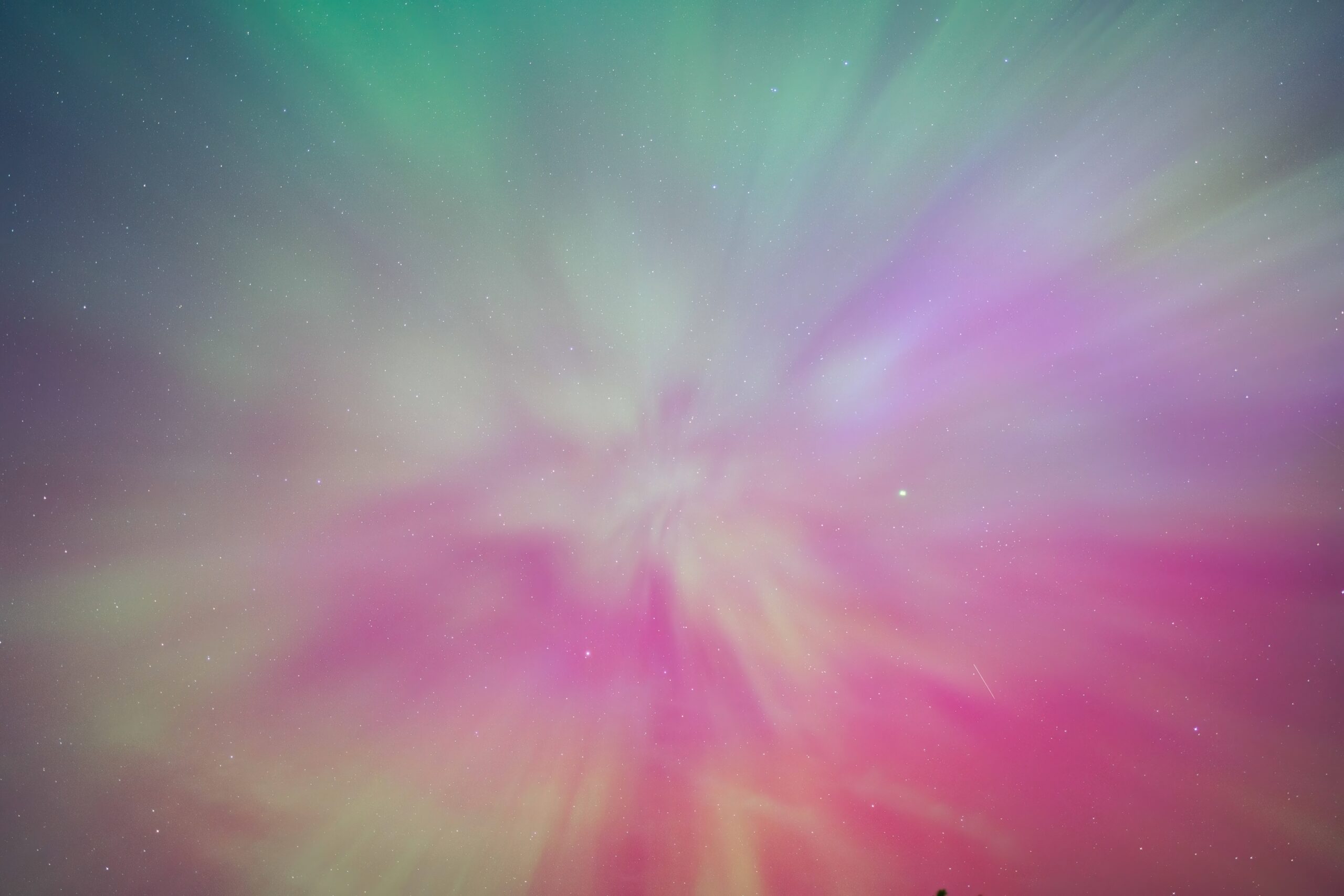
- Water, light trails, night
ISO — Light Sensitivity
- Low ISO (100) — Crisp, clean images in bright conditions
- High ISO (1600+) — Brighter images in low light, but introduces grain/noise
- Rule of thumb: keep ISO as low as possible and only raise it when you need to
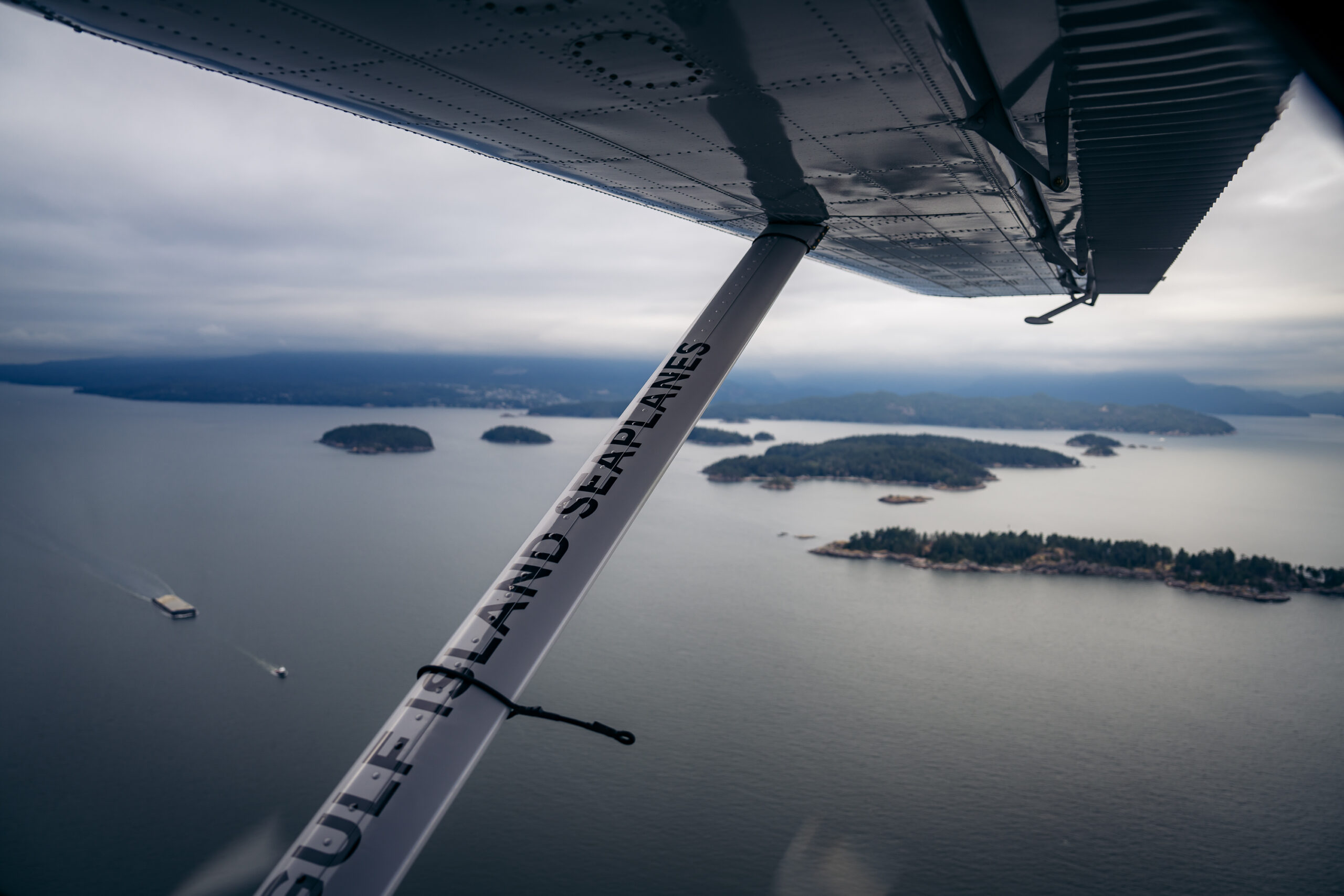
Getting exposure right means balancing all three settings for the conditions you're shooting in.
How They Work Together
When you change one part of the triangle, you need to adjust the others to maintain balanced exposure. For example, if you open up the aperture to blur the background, you might need a faster shutter speed to compensate for the extra light. It's a constant balancing act — and that's what makes it creative.
Quick Tips for Beginners
Start with Aperture Priority Mode
Most cameras label this "A" or "Av". You control the aperture while the camera handles shutter speed and ISO automatically. It's the best way to learn without getting overwhelmed.
Keep Your ISO Low
Try to keep ISO as low as possible to avoid grainy photos. Only increase it when you really need to — like in dim lighting where you can't open the aperture wider or slow the shutter any further.
Experiment with Shutter Speed
Play around with different speeds to see how they affect your photos. Try freezing a fast-moving subject, then try creating artistic motion blur with a long exposure. The results might surprise you.
Review After Every Shot
Check your photo on the camera screen after each shot. If it's too bright or too dark, adjust one of the triangle settings and try again. This feedback loop is how you build intuition fast.
Understanding the exposure triangle takes practice, but once it clicks, you'll have real creative control over your photography. It's the foundation everything else is built on.
Wrapping Up
Aperture, shutter speed, and ISO — three settings, infinite creative possibilities. Once you understand how they interact, you stop relying on auto mode and start making deliberate choices about how your photos look and feel.
Want to see these principles in action? Browse my Landscapes and Astro & Low Light portfolios. Or check out my other photography guides on drone photography and light trails.