Landscape photography is all about capturing the beauty and grandeur of the natural world. While gear and light are crucial, mastering composition is what truly elevates your shots. Here are ten landscape-specific techniques to help you create stronger images.
Rule of Thirds
Place the horizon, mountains, or trees along the thirds lines or at their intersections. If the sky is dramatic, put the horizon on the lower third. If the foreground is more interesting, push the horizon to the upper third.
Incorporate a Strong Foreground
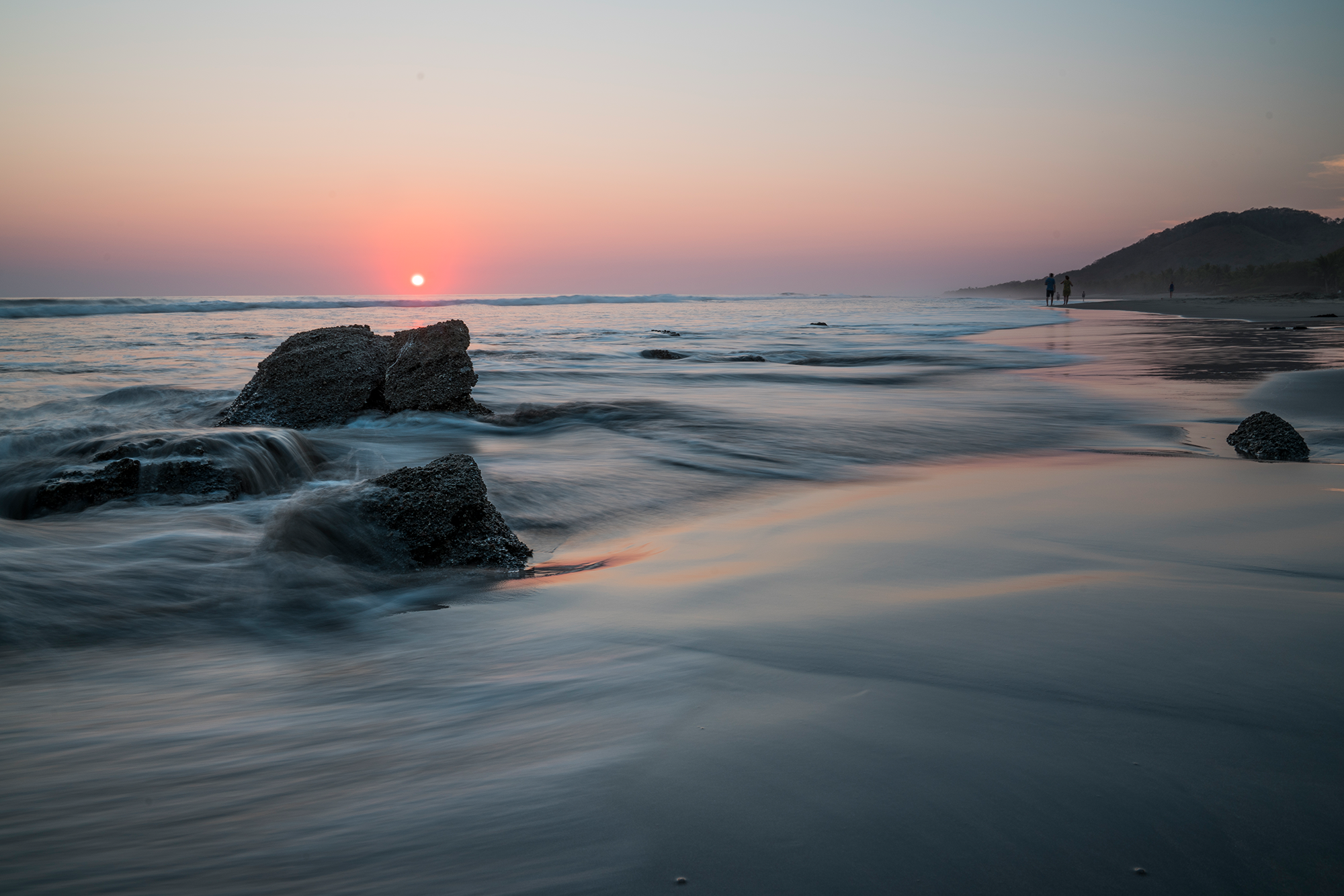
A foreground element — rocks, flowers, water, texture — adds depth and scale, drawing the viewer into the scene and making distant elements feel even more majestic. Get low to the ground to emphasise it.
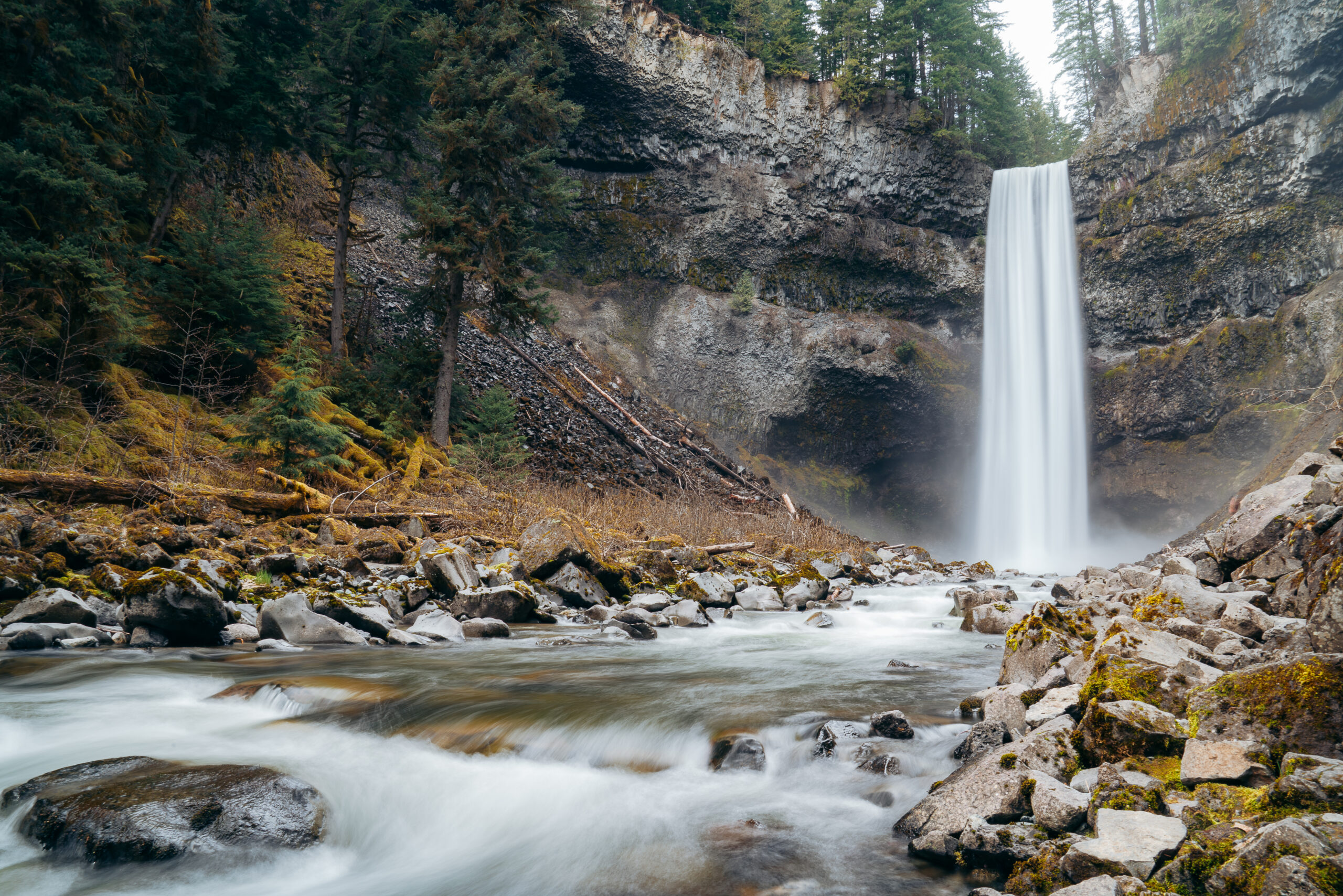
Leading Lines
Rivers, paths, fences, shadows — anything that guides the viewer's eye from foreground to background. Position yourself so the lines create a journey through the photo, adding depth and movement.
Use Natural Frames
Trees, archways, rock formations — frame your main subject with natural elements to focus attention and add depth. Move around the scene to discover frames that enhance rather than distract.
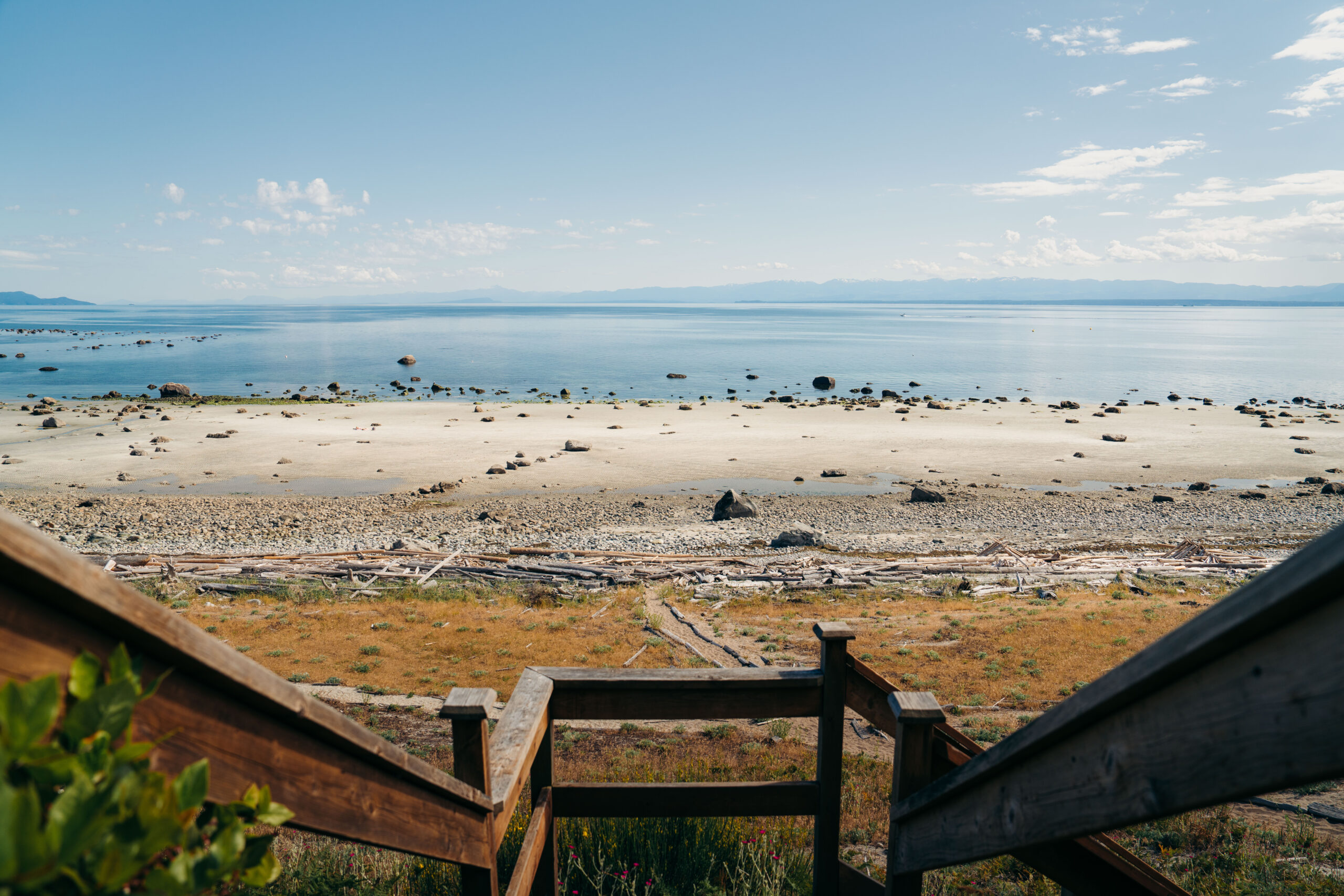
Embrace Negative Space
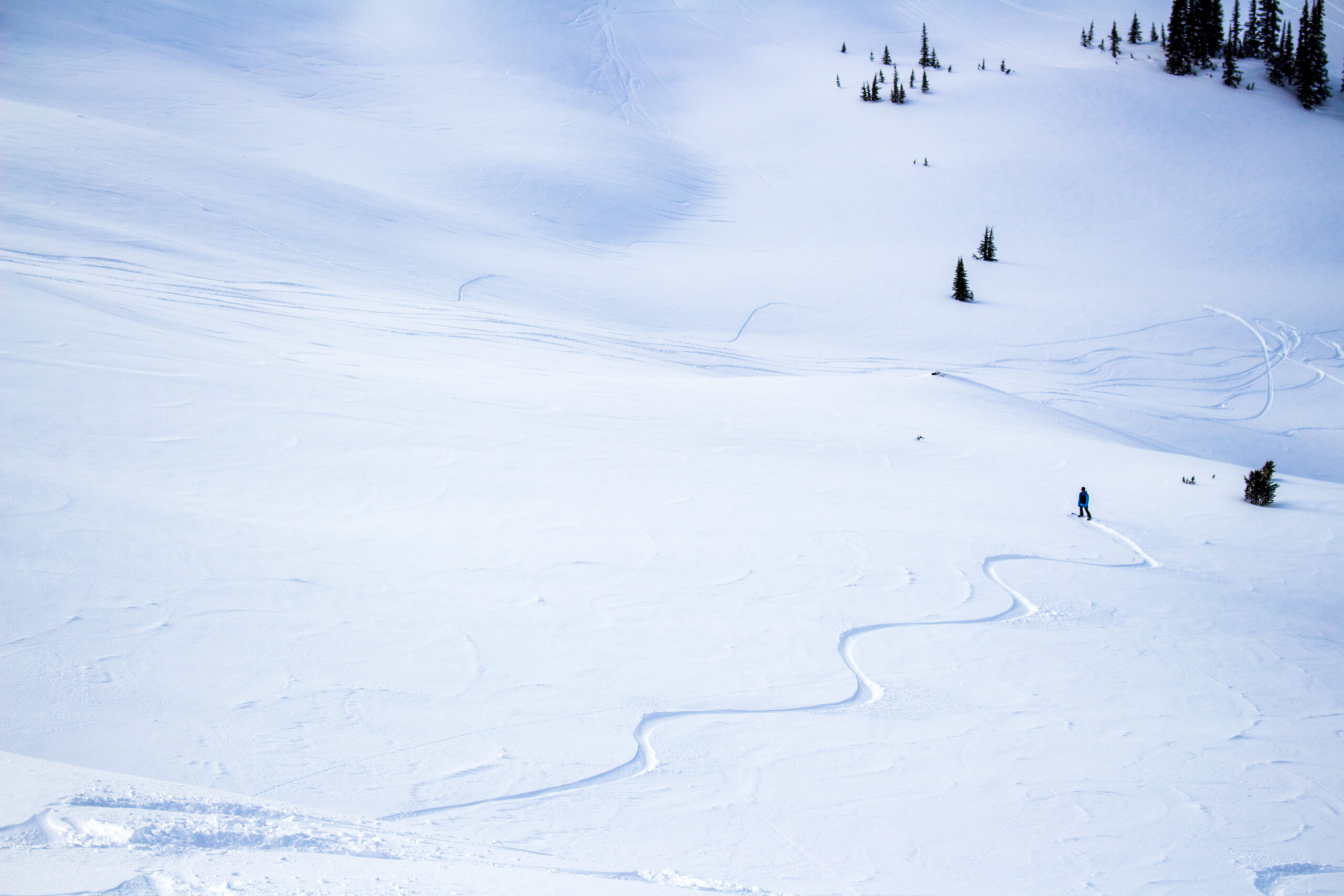
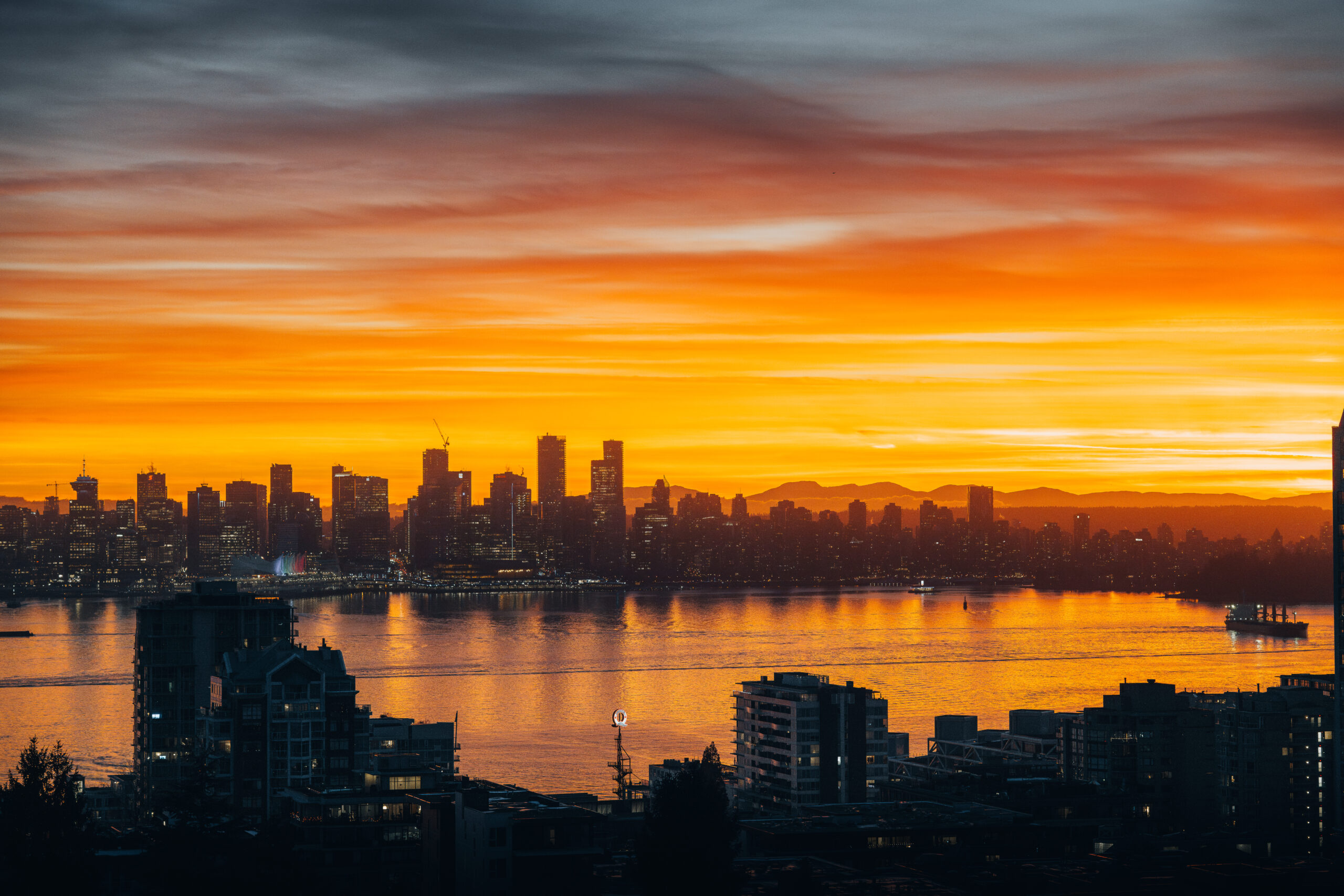
Vast skies, open fields, large bodies of water. Leaving large areas empty simplifies the composition, emphasises the subject, and can evoke isolation or tranquility. Don't be afraid of emptiness — it's powerful.
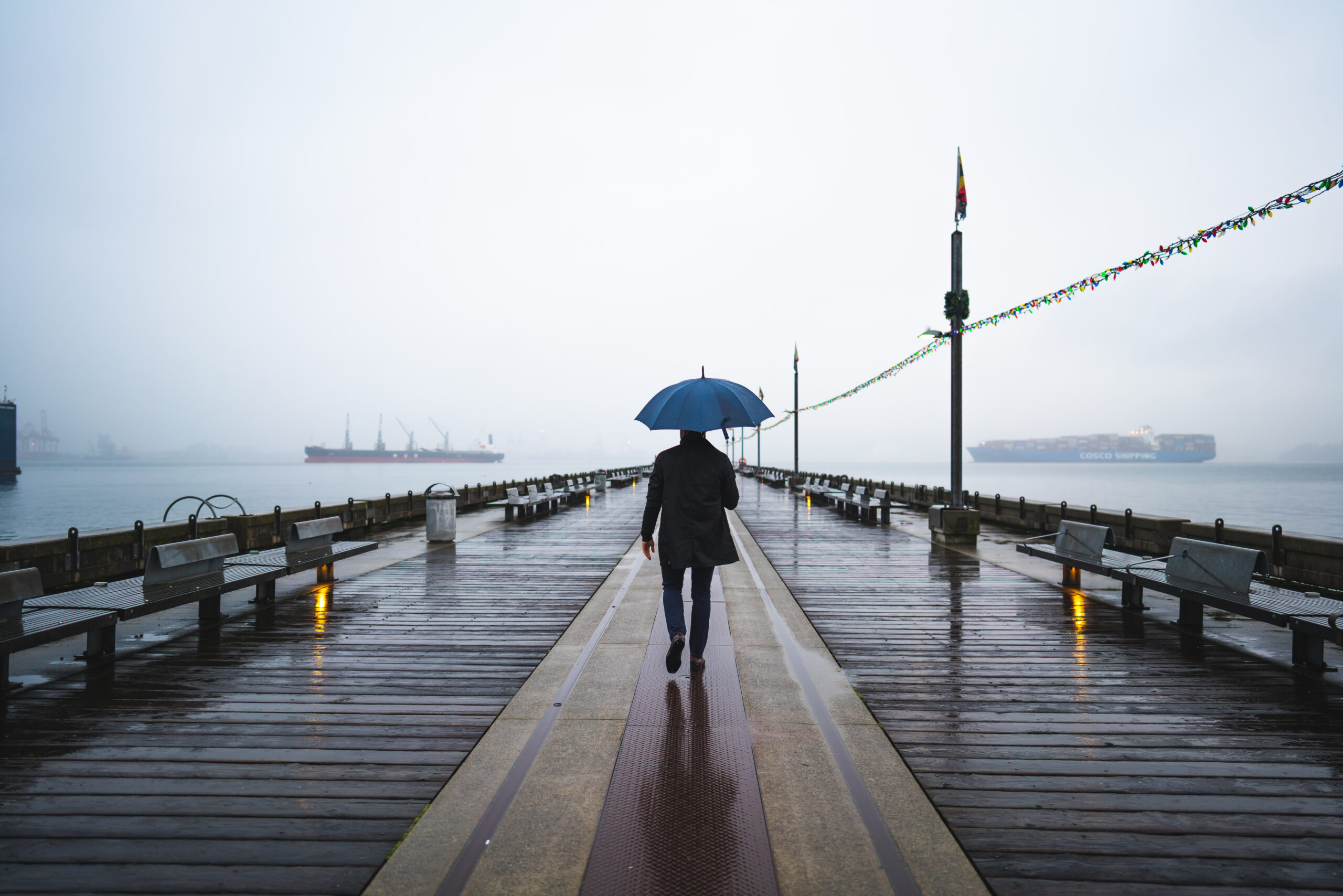
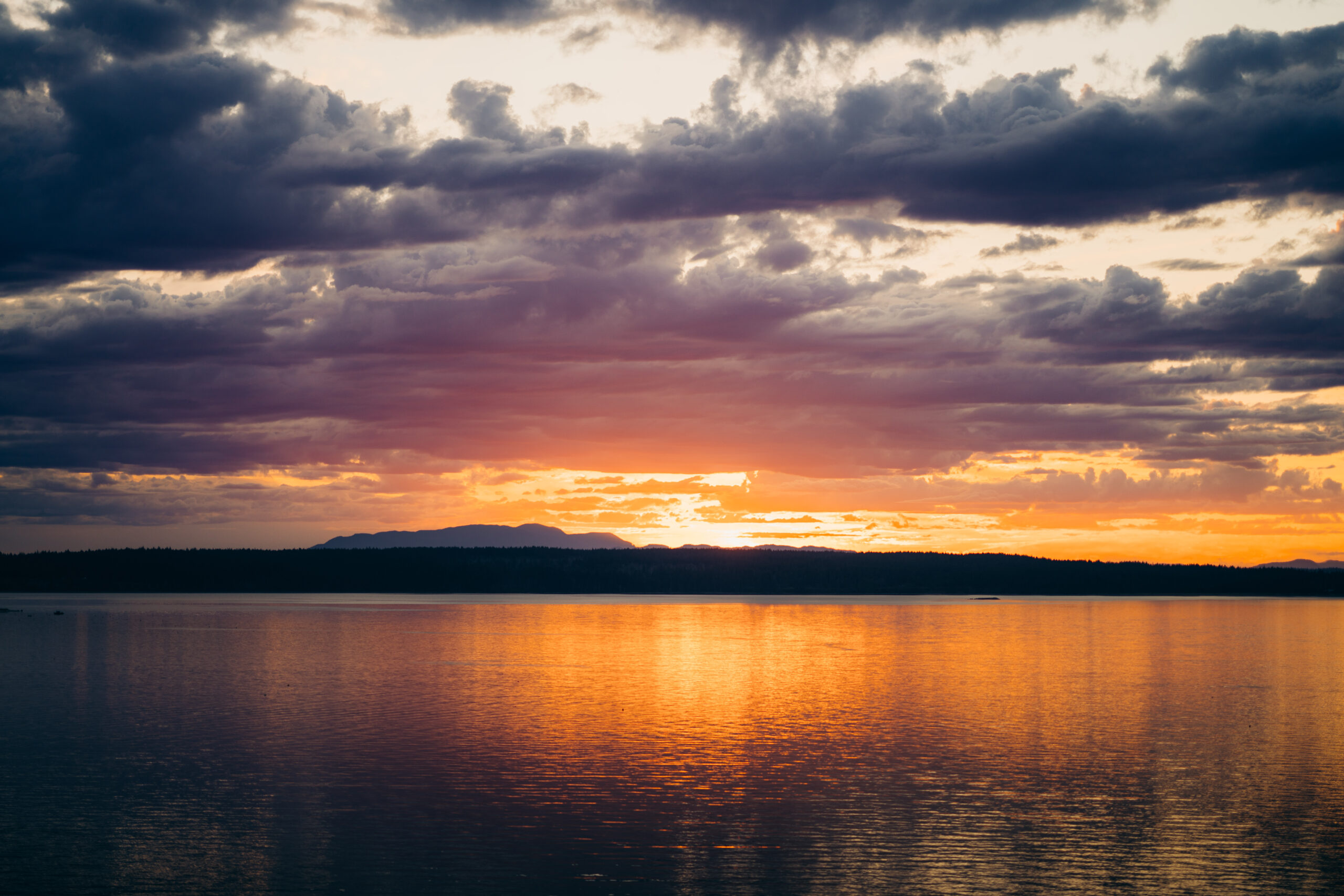
Negative space and layering working together — foreground, midground, and distant horizon.
Symmetry & Patterns
Reflections in lakes, repeating rows of trees, waves in sand. Symmetry is especially powerful in water scenes — align the horizon perfectly in the centre for a mirror effect. Patterns add rhythm and visual interest.
Golden Ratio & Fibonacci Spiral
More advanced than rule of thirds but naturally pleasing. These mathematical principles appear throughout nature. Position key elements along the spiral or ratio lines. Most editing tools offer overlays to help you apply these in post.
Shoot in Different Orientations
Don't default to horizontal just because it's called "landscape." Vertical shots emphasise height and depth — especially powerful with waterfalls, tall trees, or mountain peaks. Shoot the same scene both ways and compare.
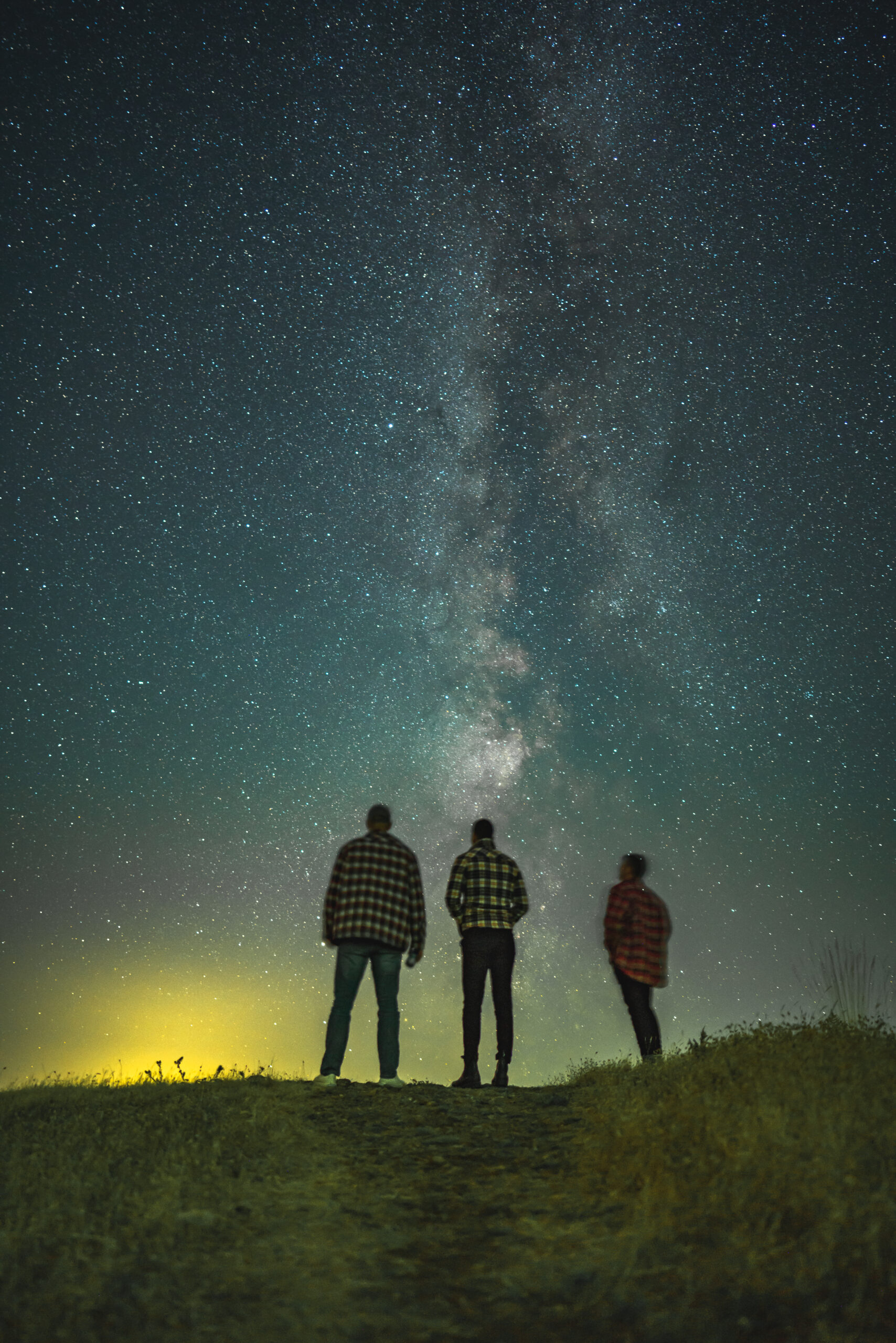
Use Layers to Add Depth
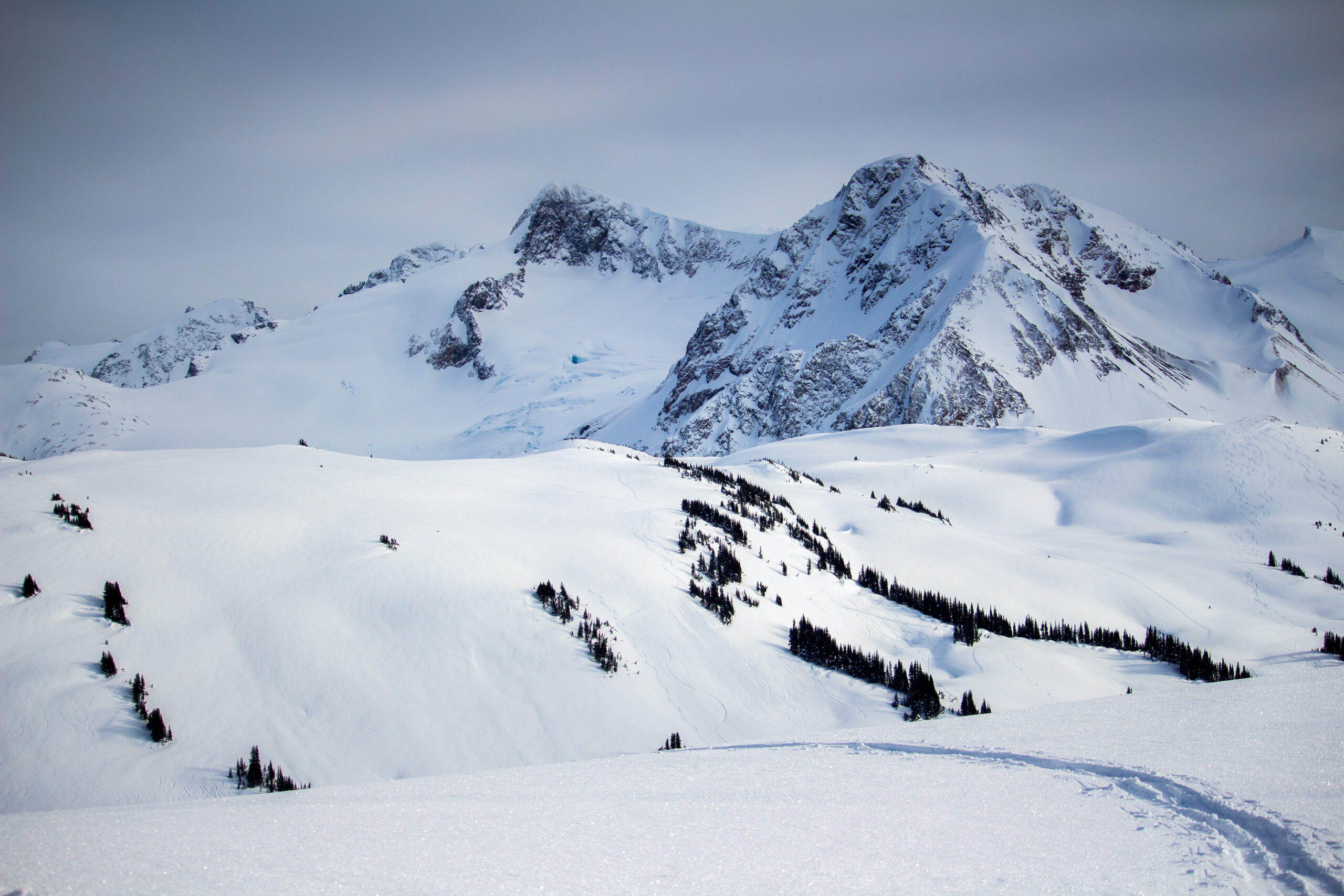
Foreground, middle ground, background. Include elements at varying distances — rocks up front, vegetation in the middle, mountains behind — to create a layered effect that conveys the vastness of the scene.
Consider the Light
Composition and light are inseparable. Golden hour enhances textures and colours. Position yourself so light falls from the side, creating shadows that add depth and dimension. Let the light guide your framing.
These guidelines are valuable, but the best compositions often come from experimentation and trusting your creative instincts. Rules are made to be broken — once you know them well enough.
Wrapping Up
Composition is the backbone of great landscape photography. Apply these techniques, experiment with different perspectives, and most importantly — get outside and shoot. The more you practice, the more instinctive it becomes.
See these principles in action across my Landscapes and Panoramas portfolios. Or explore my other guides on general composition, the Exposure Triangle, and Golden Hour.